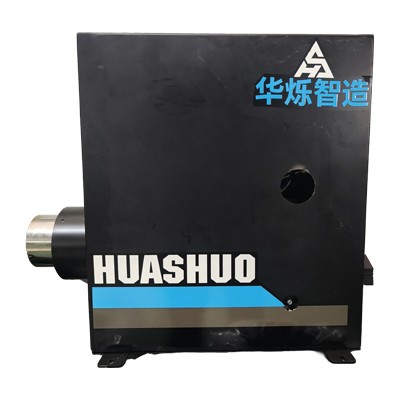
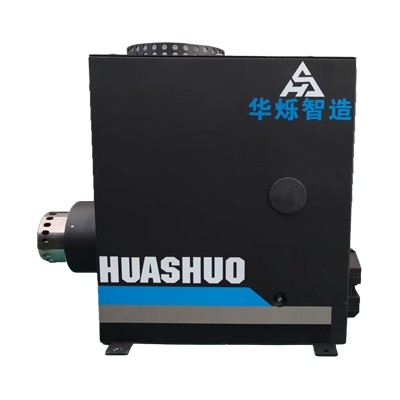
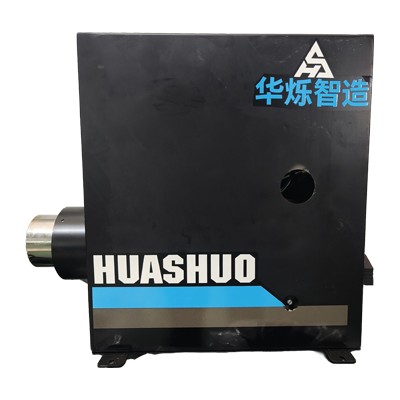
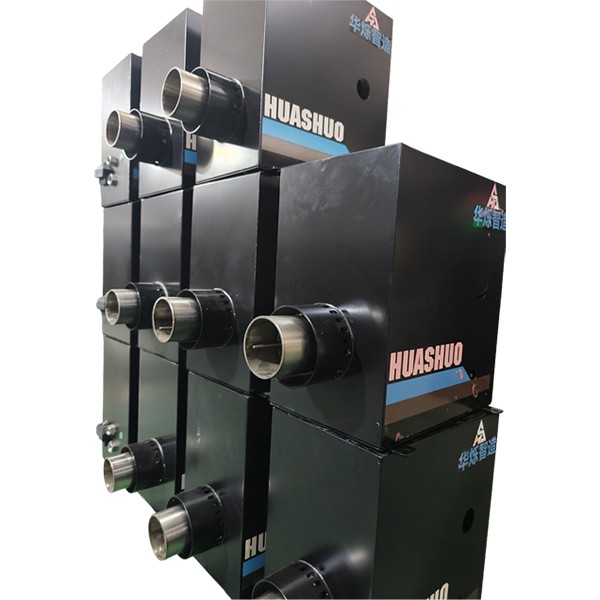
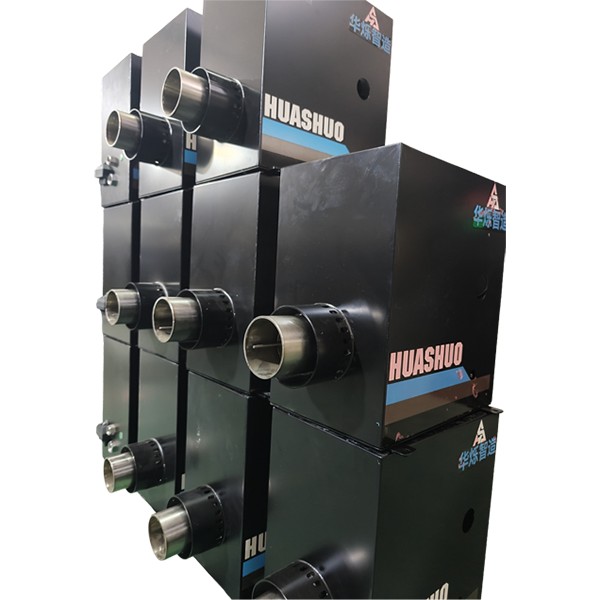
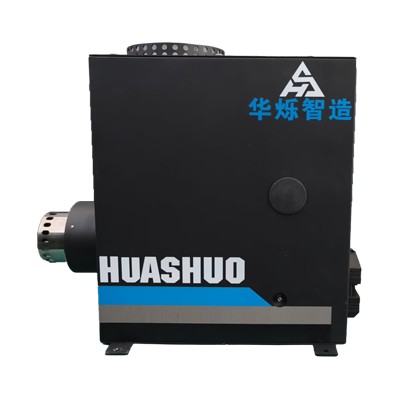
ndustrial Application Radiant Burners cover a vast range of fields—from steel annealing to textile setting, from paper drying to automotive paint curing. Proper selection directly impacts production line quality and energy costs.
When selecting, three dimensions should be prioritized:
Material and thermal requirements: For heavy workpieces like metal sheets, high-intensity infrared radiant burners are preferred for their strong penetration and rapid heating capabilities. For lightweight materials like films and paper, low-temperature catalytic or medium-temperature radiation types should be chosen to prevent scorching.
Environmental safety classification: In explosion-proof areas such as painting and chemical zones, catalytic flameless burners are the top choice. In well-ventilated, non-explosive heavy industrial furnaces, high-temperature infrared types may be selected depending on fuel costs.
System control precision: Modern radiant burners are often equipped with pulse combustion or proportional regulation systems. Selection should be based on the allowable temperature fluctuation range of the process, choosing models with fast response capabilities. High-frequency pulse combustion enables precise average radiation power regulation by controlling combustion cycles per unit time, avoiding the efficiency drop that conventional continuous combustion suffers at low loads.
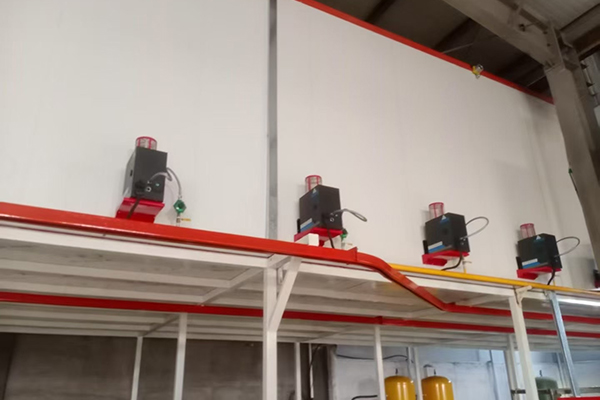
Additionally, during installation, the "radiation distance" and "coverage angle" between the burner surface and the heated object must be optimized to maximize radiation absorption efficiency. Regular maintenance (e.g., cleaning carbon deposits from the radiation surface, checking catalyst activity) is key to sustaining long-term high-performance operation. Correct selection and maintenance make radiant burners the core driving force for energy saving and quality improvement on production lines.
We use cookies to offer you a better browsing experience, analyze site traffic and personalize content. By using this site, you agree to our use of cookies. Privacy Policy