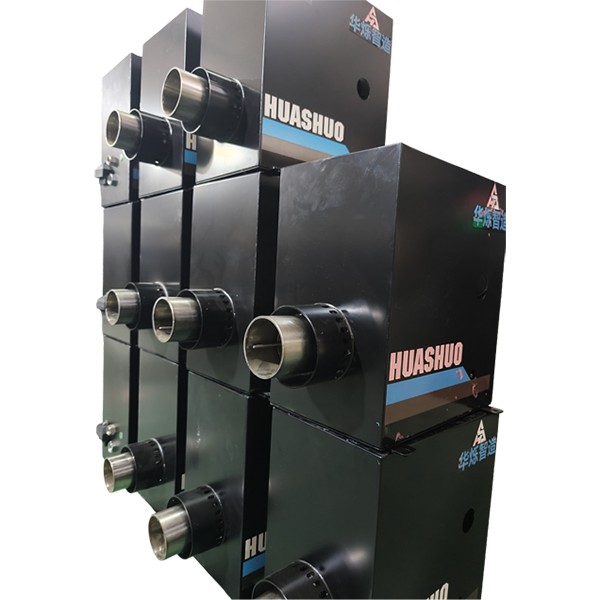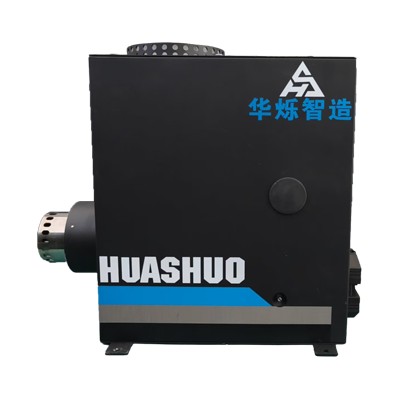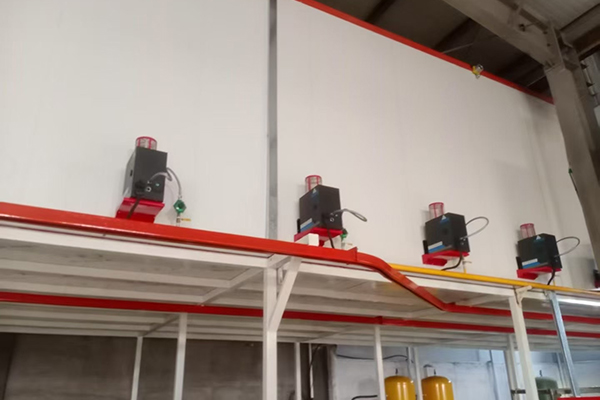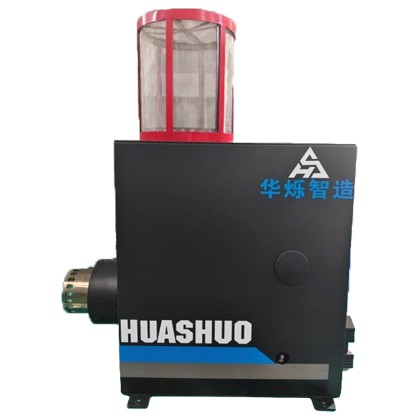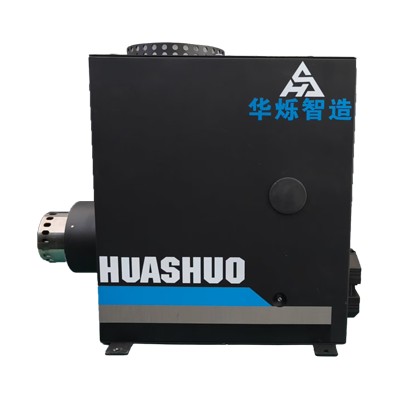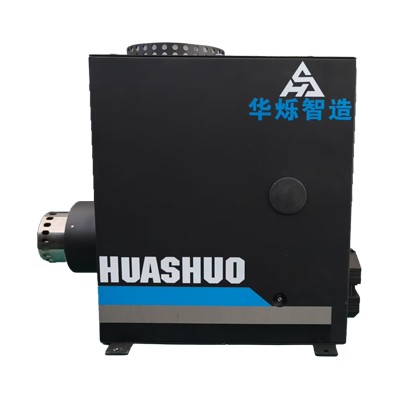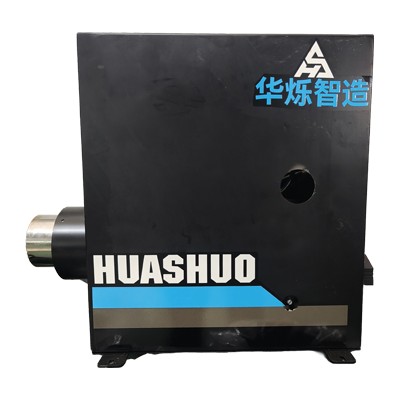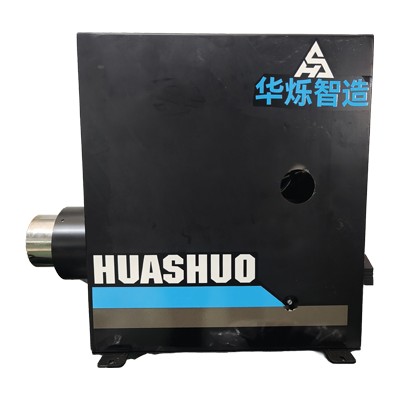

How Does a High Efficiency Metal Fiber Infrared Burner Improve Industrial Heating?
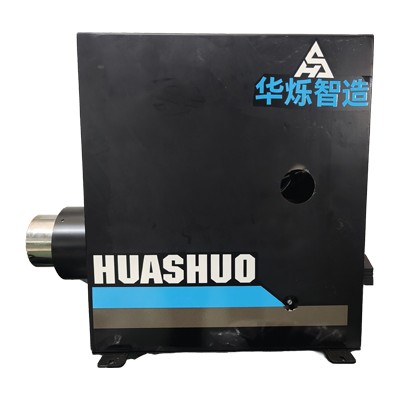
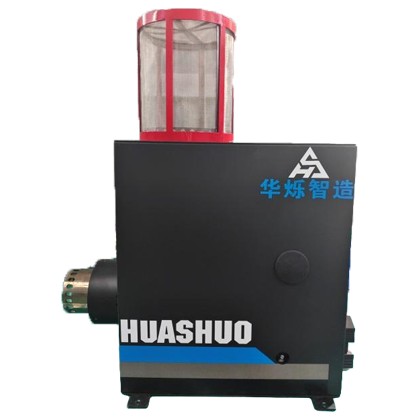
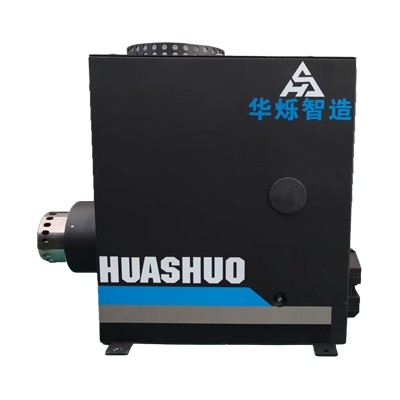
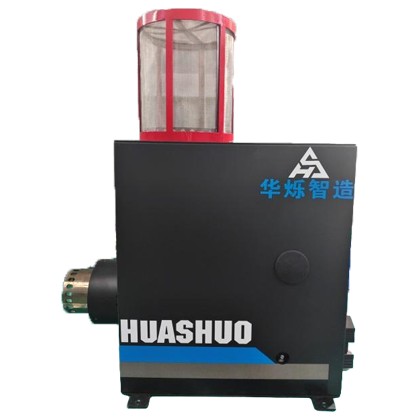
Industrial heating systems are under increasing pressure to reduce energy consumption, improve temperature consistency, shorten heating cycles, and maintain reliable operation. Conventional heating methods can create uneven heat distribution, excessive thermal losses, and higher operating costs, particularly when large surfaces or continuous production lines must be heated. A High Efficiency Metal Fiber Infrared Burner provides an alternative approach by converting fuel energy into intense infrared radiation that can be directed toward the target material.
This article explains how metal fiber infrared burners work, why their combustion structure matters, where they are commonly used, and what buyers should consider before selecting an industrial infrared heating solution. It also examines efficiency, temperature uniformity, installation, maintenance, safety, and common application requirements.
Table of Contents
- What Is a High Efficiency Metal Fiber Infrared Burner?
- How Metal Fiber Infrared Burners Work
- Key Efficiency Advantages
- Why Heating Efficiency Matters in Industry
- Industrial Applications
- Metal Fiber Infrared Heating vs. Conventional Heating
- Important Selection Factors
- Installation and Operating Considerations
- Maintenance and Troubleshooting
- What Industrial Buyers Should Evaluate
- Frequently Asked Questions
- Conclusion
What Is a High Efficiency Metal Fiber Infrared Burner?
A High Efficiency Metal Fiber Infrared Burner is a gas-fired heating device designed to generate infrared radiation through controlled combustion across a specially engineered metal fiber surface. Instead of relying primarily on hot air to transfer heat, the burner produces radiant energy that travels directly toward a nearby target.
This difference is important in industrial heating. When radiant energy reaches a surface, it can transfer heat directly to the material without requiring the entire surrounding air volume to reach the same temperature. This can be particularly useful for surface heating, drying, curing, preheating, and other processes where controlled heat delivery is more important than simply increasing ambient temperature.
Metal fiber technology also allows manufacturers to design burners with a large radiating surface in a relatively compact structure. Depending on the burner design, fuel system, operating conditions, and application, the result can be a responsive heating system with strong heat intensity and controllable output.
How Metal Fiber Infrared Burners Work
The basic operating process begins when fuel and combustion air are mixed at a controlled ratio and supplied to the burner. Combustion occurs at or near the metal fiber surface. The surface becomes heated and emits infrared radiation toward the intended heating area.
- Fuel and air preparation: The system delivers gas and combustion air at controlled flow rates.
- Surface combustion: The prepared mixture burns across the metal fiber structure.
- Radiant heat generation: The heated fiber surface emits infrared energy.
- Direct heat transfer: Infrared radiation reaches the target surface and transfers energy.
- Temperature regulation: Burner output can be adjusted according to process requirements.
The quality of the combustion process is critical. Stable gas-air mixing, uniform flame distribution, suitable surface temperature, and reliable control components all contribute to consistent heating performance. For industrial users, burner efficiency should therefore be considered as part of a complete heating system rather than as an isolated component.
Key Efficiency Advantages
The main attraction of infrared combustion is its ability to transfer heat directly to the target. This can address several common problems found in industrial heating operations.
| Performance Area | Potential Advantage | Industrial Value |
|---|---|---|
| Heat Transfer | Direct radiant heating | Less dependence on heated air |
| Response Time | Rapid radiant output | Useful for short heating cycles |
| Temperature Control | Adjustable heating intensity | Better process management |
| Space Utilization | Compact burner structure | Flexible equipment integration |
| Heat Distribution | Designed radiant surface | More targeted heating |
Actual fuel savings depend on many variables, including burner capacity, fuel type, target temperature, insulation, product geometry, conveyor speed, distance between burner and material, operating schedule, and control strategy. A technically appropriate burner can improve efficiency, but the complete thermal system must be properly engineered to achieve the expected result.
Why Heating Efficiency Matters in Industry
Heating is often one of the most energy-intensive stages of manufacturing. Even relatively small inefficiencies can become significant when equipment operates continuously for thousands of hours each year.
An inefficient heating process may require higher fuel consumption, longer production cycles, larger heating chambers, or excessive operating temperatures. It can also create quality problems when some areas of a product receive more heat than others.
- Lower operating pressure: Efficient heat transfer can reduce unnecessary energy demand.
- Better production consistency: More predictable heating supports stable processing conditions.
- Reduced thermal waste: Direct radiation can focus energy on the intended area.
- Flexible process control: Output can be adjusted according to production requirements.
- Equipment integration: Compact burner arrangements can support customized industrial machinery.
Industrial Applications
Metal fiber infrared burners can be adapted to different industrial processes where controlled radiant heat is required. The exact burner configuration should always be matched to the material, heating distance, temperature range, production speed, and ventilation conditions.
Coating and Finishing
Infrared heat can support coating curing and surface finishing processes where targeted heating is required.
Textile Processing
Radiant heating can be integrated into drying and finishing equipment for selected textile applications.
Food Processing
Specialized systems can use infrared energy for heating, browning, drying, or other controlled thermal processes.
Plastic Processing
Infrared radiation can provide targeted preheating for selected plastic forming and processing operations.
Industrial Drying
Direct radiant energy can accelerate surface moisture removal in appropriately designed drying systems.
Preheating
Infrared burners can preheat components before subsequent forming, coating, bonding, or processing stages.
Metal Fiber Infrared Heating vs. Conventional Heating
Different heating technologies are suitable for different production environments. The key question is not simply whether infrared heating is more efficient, but whether its method of energy transfer matches the actual process.
| Factor | Metal Fiber Infrared Burner | Conventional Hot-Air Heating |
|---|---|---|
| Primary Transfer | Radiation | Convection |
| Targeted Heating | Strong potential | Usually heats surrounding air first |
| System Response | Can be rapid | Depends strongly on chamber volume |
| Best Fit | Surface and direct heating | Whole-volume air heating |
In practice, hybrid systems can also be useful. Infrared burners may be combined with convection, recirculation, insulation, temperature sensors, and automated controls to create a complete thermal solution.
Important Selection Factors
Choosing an industrial infrared burner based only on nominal heating power can lead to poor results. Buyers should consider the complete operating environment.
- Fuel compatibility: Confirm the intended gas type and supply conditions.
- Thermal capacity: Match burner output to the actual heat load rather than simply selecting the largest available unit.
- Radiant surface: Consider the size, shape, and arrangement of the heating area.
- Operating temperature: Check the required temperature range and process tolerance.
- Heating distance: Burner-to-product distance strongly affects radiant heat intensity.
- Control system: Evaluate ignition, flame monitoring, modulation, sensors, and temperature feedback.
- Installation space: Make sure the burner configuration fits the available equipment layout.
- Maintenance access: Components should be accessible for inspection and servicing.
- Safety design: Gas supply, combustion, ventilation, ignition, and flame protection require appropriate engineering.
Installation and Operating Considerations
Even a high-quality burner can perform poorly if installation conditions are unsuitable. Correct air supply, gas pressure, exhaust management, burner orientation, heating distance, and control settings all influence system performance.
Important:
Gas-fired infrared heating equipment should be installed, commissioned, and maintained by qualified professionals in accordance with applicable local safety requirements, combustion standards, ventilation rules, and manufacturer instructions.
During commissioning, operators should verify flame stability, gas-air ratio, surface temperature, exhaust conditions, ignition performance, and temperature uniformity. Process testing should be performed under realistic production conditions rather than only under laboratory or no-load conditions.
Maintenance and Troubleshooting
Regular inspection helps maintain combustion stability and heating performance. Maintenance requirements depend on the burner design, operating environment, fuel quality, production schedule, and contamination level.
| Potential Issue | Possible Cause | Recommended Check |
|---|---|---|
| Uneven Heating | Incorrect burner spacing or output | Review burner arrangement and process settings |
| Unstable Combustion | Improper gas-air conditions | Inspect fuel pressure and combustion air supply |
| Reduced Output | Surface contamination or component wear | Inspect and clean according to manufacturer guidance |
| Ignition Problems | Ignition or control component issue | Check ignition system and safety controls |
What Industrial Buyers Should Evaluate
For manufacturers purchasing infrared burners for new machinery or equipment upgrades, technical support is often just as important as the burner itself. A suitable supplier should be able to understand the application and recommend an appropriate configuration.
Before placing an order, prepare basic process information such as target material, heating area, required temperature, production speed, fuel type, available gas pressure, installation dimensions, heating distance, operating hours, and control requirements.
- Request technical specifications and operating parameters.
- Confirm fuel and combustion requirements.
- Discuss the expected heat distribution.
- Ask about ignition and flame safety systems.
- Confirm installation and maintenance requirements.
- Evaluate customization options for special equipment layouts.
- Consider spare parts availability and after-sales technical support.
- Ask for application-specific testing when the process has strict thermal requirements.
Tianjin Huashuo Machinery Manufacturing Co., Ltd. focuses on industrial machinery manufacturing and can provide technical support for customers looking for infrared heating equipment and related industrial solutions. For projects involving customized burner configurations, buyers can discuss their process requirements directly with the manufacturer before finalizing equipment specifications.
Frequently Asked Questions
What makes a metal fiber infrared burner different from a conventional burner?
A metal fiber infrared burner is designed to generate radiant heat from a heated fiber surface. Conventional burners may primarily transfer combustion heat through hot gases or air. Infrared technology therefore offers a more direct method of transferring energy to suitable target surfaces.
Can a High Efficiency Metal Fiber Infrared Burner reduce fuel consumption?
It can potentially reduce fuel demand when the burner is correctly matched to the process and replaces an inefficient heating method. Actual savings depend on system design, insulation, target temperature, production rate, burner control, and other operating conditions.
What industries can use infrared burners?
Applications may include industrial drying, coating and curing, textile processing, food processing, plastic processing, surface heating, preheating, and other manufacturing processes requiring controlled radiant heat.
How should the burner size be selected?
Burner sizing should be based on the actual thermal load, target material, heating area, required temperature, production speed, heating distance, fuel conditions, and heat losses. Selecting a burner solely according to maximum output is not recommended.
Does installation affect infrared heating efficiency?
Yes. Burner position, distance from the target, orientation, ventilation, gas pressure, combustion air, insulation, and control settings can all affect performance. Correct system engineering is essential for consistent heating.
How often does an infrared burner need maintenance?
Maintenance intervals depend on operating hours, fuel quality, production environment, and burner design. Regular inspection should be scheduled according to the manufacturer's recommendations and the actual condition of the equipment.
Can metal fiber infrared burners be customized?
Many industrial burner systems can be configured for different dimensions, output requirements, mounting arrangements, control systems, and production equipment. Customization should be evaluated according to the specific thermal process and engineering conditions.
Conclusion
A High Efficiency Metal Fiber Infrared Burner can provide a practical solution for industrial heating processes that require direct, responsive, and controllable radiant energy. By transferring heat through infrared radiation rather than relying entirely on heated air, the technology can help manufacturers address common challenges such as slow heating response, unnecessary thermal losses, and uneven surface heating.
However, burner efficiency should never be evaluated separately from the complete heating system. Fuel conditions, burner capacity, heating distance, material characteristics, insulation, temperature control, ventilation, and production speed all influence the final result. Careful application analysis is therefore the foundation of a reliable infrared heating solution.
For manufacturers planning a new heating system, upgrading existing equipment, or developing customized industrial machinery, working with an experienced machinery manufacturer can make the selection and integration process more efficient.
Looking for an Industrial Infrared Heating Solution?
Need help evaluating a High Efficiency Metal Fiber Infrared Burner for your production line? Contact us with your heating temperature, material type, heating area, fuel conditions, production speed, and equipment requirements. Tianjin Huashuo Machinery Manufacturing Co., Ltd. can discuss your application and help develop a suitable industrial heating configuration for your project.
Related News
- Can field‑operating deviations cut Powder Coating Curing Burner long‑run production yield?
- What costly operational pitfalls emerge from poorly qualified baking‑grade radiant burner assemblies?
- How Does a Power Series Infrared Burner Improve Commercial Heating Performance?
- How Does a Flameless Catalytic Infrared Burner Improve Industrial Heating Efficiency?
- Where lies the core advantage of compact radiant burners for steel furniture powder coating lines?
- What Radiant Curing Burners Cut Powder Coating Defects & Monthly Natural Gas Expenses?
Leave me a message