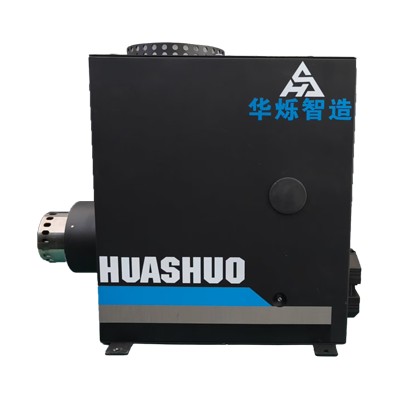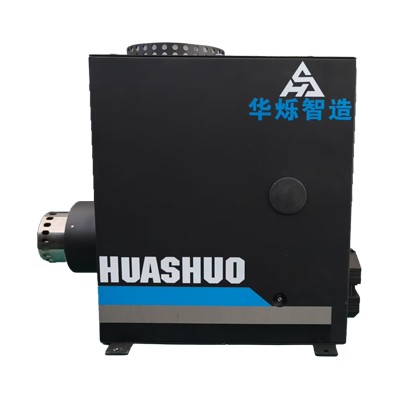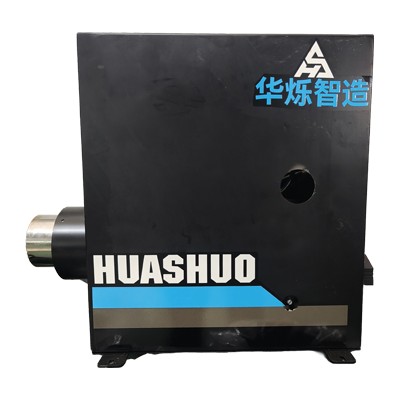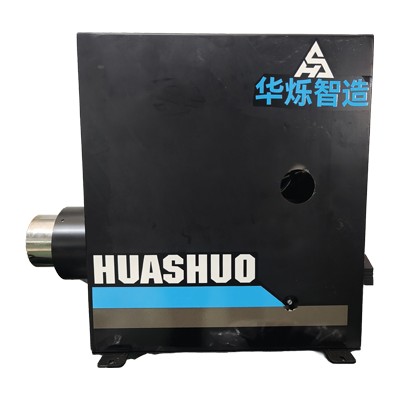

What costly operational pitfalls emerge from poorly qualified baking‑grade radiant burner assemblies?
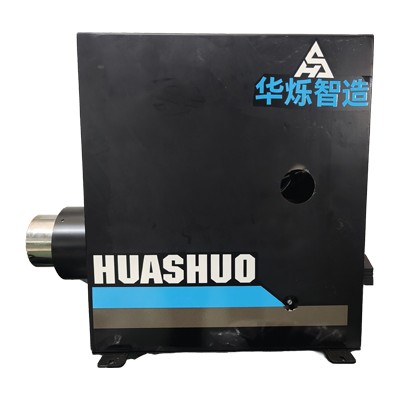
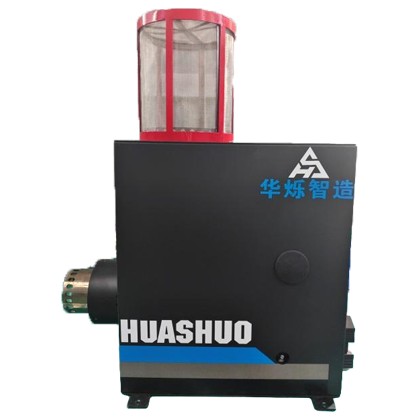
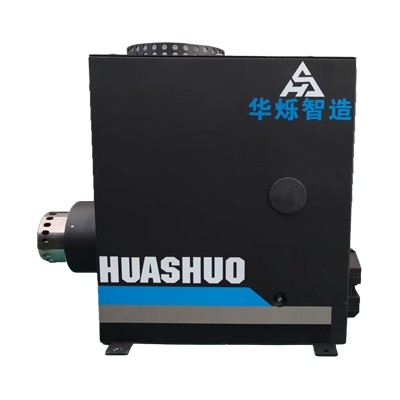
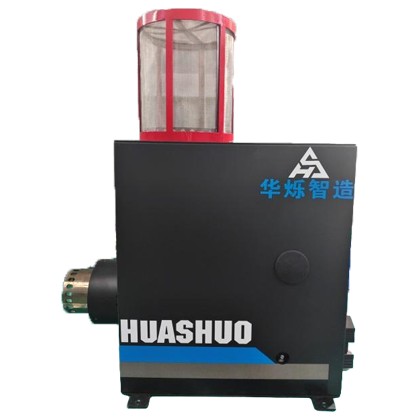
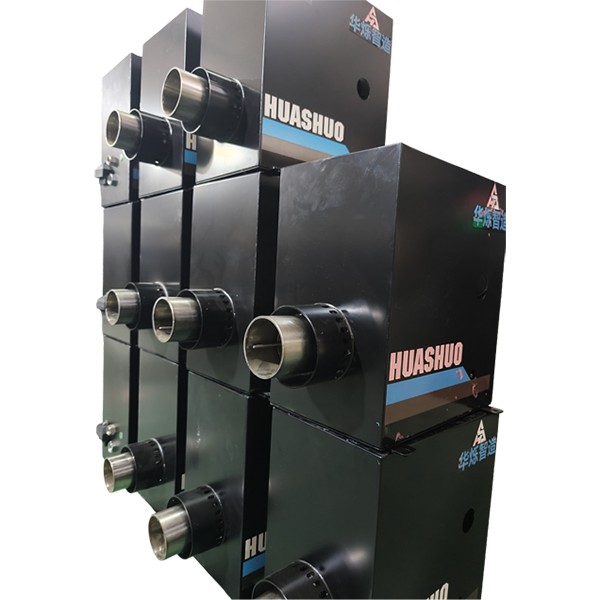
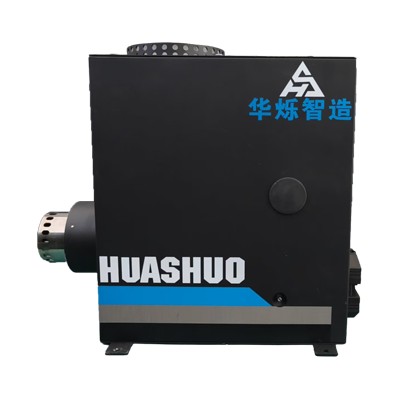
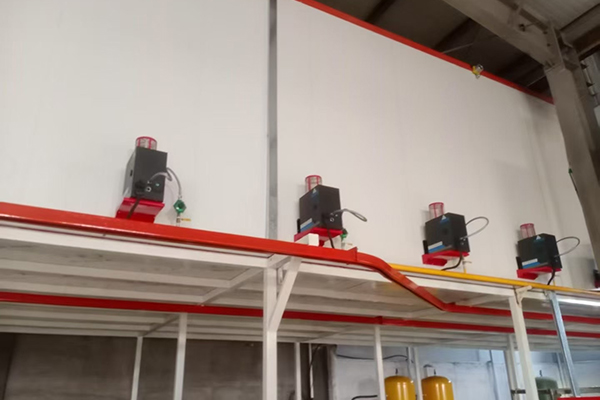
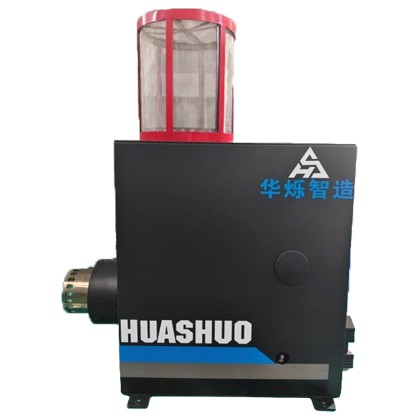
TJHS Mechanical Food Baking Radiant Burner solution implements calibrated premix‑gas distribution, high‑temperature‑resistant porous media screening and full‑set third‑party test archives, mitigating baking‑batch waste, emission‑related non‑compliance and unplanned oven‑downtime risks for cross‑border bakery‑machinery clients.
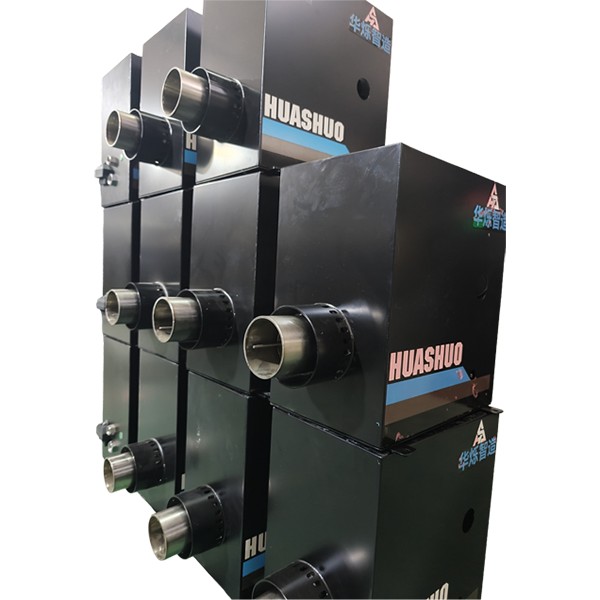
1. Precision premix gas‑air balancing eliminates uneven infrared thermal output
Many low‑cost radiant‑burner assemblies adopt simplified manual‑adjustment mixing chambers without flow‑calibrated internal baffles. Gas‑air proportion drifts across different gas supply pressure conditions, creating hot‑spot zones and cold zones across the burner radiating surface. For biscuit, bread and pastry mass‑baking, uneven infrared radiation causes inconsistent crust color, uneven rising and mixed‑quality finished goods, raising reject rates during continuous oven‑line production. TJHS Mechanical optimizes internal premix‑chamber baffle geometry, performing flow‑balance calibration under LPG and natural‑gas operating conditions. Uniform surface radiation output reduces color‑and‑texture deviation across baking batches, stabilizing finished‑goods qualification rates for 24‑hour continuous‑run bakery production lines.
2. High‑grade porous‑media substrate resists cyclic baking thermal fatigue
Budget‑grade radiant burners use low‑grade porous honeycomb substrates prone to thermal‑shock cracking. Repeated cycles of rapid heating‑up and oven cool‑down during bakery shift‑changes create progressive substrate fracture. Fragmented media blocks partial radiation zones and loose fragments may even fall onto conveyor‑carried baked goods, triggering product‑contamination incidents and urgent production‑line stops. The factory selects thermally‑stabilized substrate materials formulated for food‑baking cyclic‑temperature environments, completing accelerated thermal‑shock lab validation before mass‑production. Slow‑aging radiant surfaces sustain stable infrared output over thousands of baking cycles, cutting unplanned maintenance‑related production halts for industrial baking ovens.
3. Strict combustion‑emission control meets EN 203‑1 commercial‑bakery‑equipment thresholds
Importers placing gas‑powered bakery machinery onto European markets must satisfy EN 203‑1 emission‑safety requirements for catering equipment, including strict limits for carbon‑monoxide and nitrogen‑oxide output. Burners built without precise premix tuning produce excessive toxic exhaust components; without accredited emission‑test reports, finished oven assemblies will fail notified‑body audits and be prevented from EU market circulation. Each TJHS production batch undergoes closed‑chamber combustion‑emission testing. Complete English‑language test dossiers record CO and NOx measurement values, helping oven‑OEM customers compile component‑level evidence for their overall machinery GAR‑regulation compliance submissions without extra third‑party testing expense.
4. Pre‑delivery application‑simulation testing shortens oven‑OEM prototype iteration cycles
Numerous burner suppliers only deliver physical hardware, skipping application‑matching validation for target baking‑oven internal‑cavity environments. Mismatch between burner radiant‑power output and oven air‑circulation layout only appears after OEM clients integrate burners into prototype ovens, forcing hardware modification and delaying new bakery‑equipment launch timelines. TJHS thermal‑engineering team conducts pre‑shipment simulation matching according to client‑provided oven‑cavity dimension, conveyor‑speed and target baking‑temperature parameters. Potential thermal‑distribution mismatches get identified and adjusted at component‑qualification phase rather than after oven‑prototype assembly, shortening new bakery‑machinery R&D iteration cycles.
5. Food‑contact adjacent‑material qualification avoids bakery‑hygiene non‑compliance
While the burner itself does not make direct contact with baked food, surrounding metal housings, fasteners and sealing gaskets radiate heat and may release trace contaminants under long‑time high‑temperature operation. Generic hardware uses non‑food‑grade alloy and gasket materials; under sustained baking heat, trace substance migration may violate EU food‑material safety requirements for commercial bakery equipment. TJHS selects heat‑resistant hardware and sealing components that satisfy indirect‑food‑contact material standards. Material‑composition records are attached within shipment documentation, supporting food‑safety‑related third‑party audits for finished baking‑oven systems.
6. Modular assembly architecture simplifies overseas field‑maintenance and spare‑parts logistics
Some radiant‑burner designs adopt highly integrated non‑separable structures. Once porous media or ignition assemblies degrade on‑site in overseas bakeries, whole‑unit replacement becomes mandatory, raising spare‑parts inventory costs and extending equipment‑downtime windows. TJHS adopts modular split‑component design for core consumable parts including radiant media, ignition electrodes and gas nozzles. End‑users can swap individual worn components instead of replacing complete burners. This modular structure lowers long‑term spare‑part stocking pressure for bakery‑equipment distributors and end‑user food‑processing plants.
Related News
- Can field‑operating deviations cut Powder Coating Curing Burner long‑run production yield?
- How Does a High Efficiency Metal Fiber Infrared Burner Improve Industrial Heating?
- How Does a Power Series Infrared Burner Improve Commercial Heating Performance?
- How Does a Flameless Catalytic Infrared Burner Improve Industrial Heating Efficiency?
- Where lies the core advantage of compact radiant burners for steel furniture powder coating lines?
- What Radiant Curing Burners Cut Powder Coating Defects & Monthly Natural Gas Expenses?
Leave me a message