
How Does a Power Series Infrared Burner Improve Commercial Heating Performance?
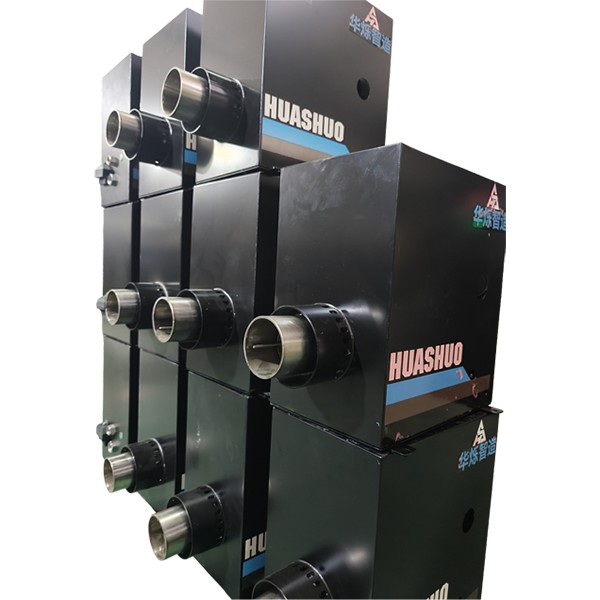
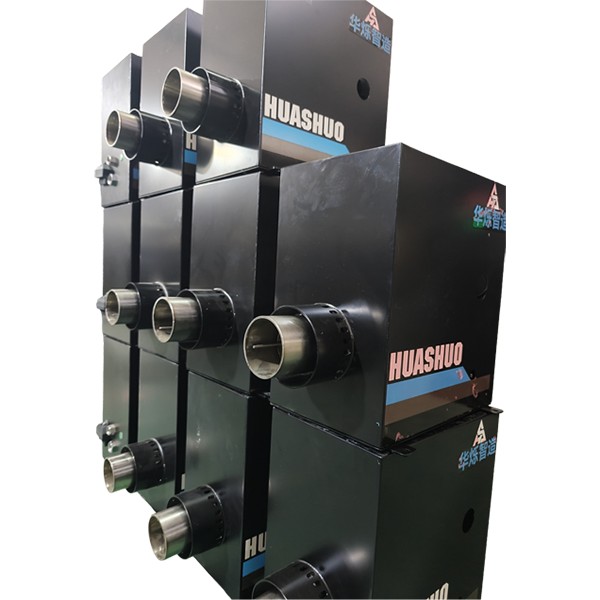
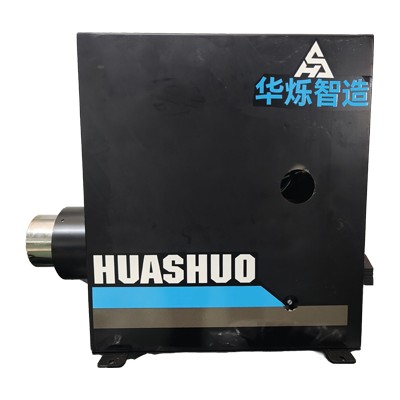
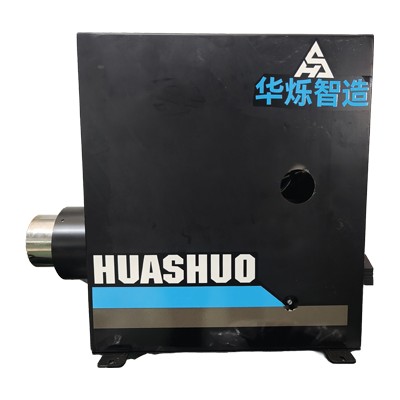
A Power Series Infrared Burner is designed to convert fuel energy into controlled infrared radiation for applications that require direct, efficient, and consistent heating. Unlike conventional systems that primarily depend on heating large volumes of surrounding air, infrared burners transfer heat directly toward equipment, materials, surfaces, or defined working zones. This makes infrared heating particularly valuable in industrial ovens, process heating systems, food equipment, drying applications, curing lines, and other commercial installations.
This guide explains the working principle, major performance benefits, application requirements, installation considerations, maintenance practices, and common purchasing questions associated with power series infrared burner systems. The goal is to help equipment buyers, engineers, distributors, and plant operators understand what affects burner performance and how to build a reliable heating solution around the burner.
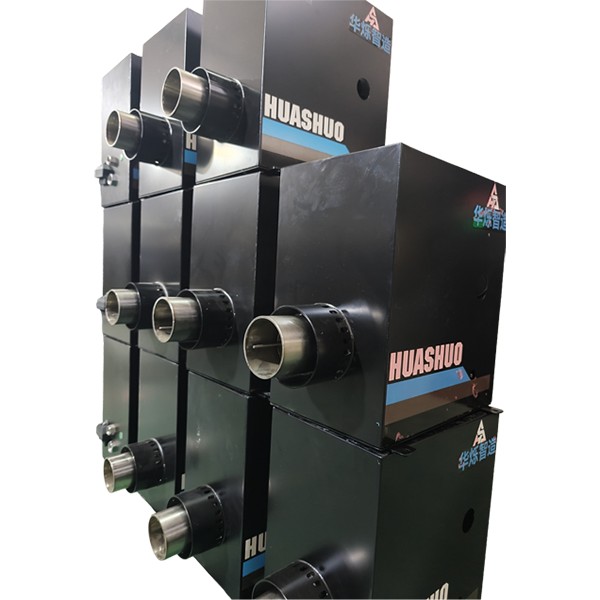
Table of Contents
- What Is a Power Series Infrared Burner?
- How Infrared Burner Technology Works
- Key Performance Benefits
- Where Infrared Burners Are Used
- Infrared Heating Compared With Conventional Air Heating
- Important Factors Before Purchasing
- Installation and System Integration
- Maintenance and Troubleshooting
- Buyer Checklist
- Frequently Asked Questions
- Final Considerations
What Is a Power Series Infrared Burner?
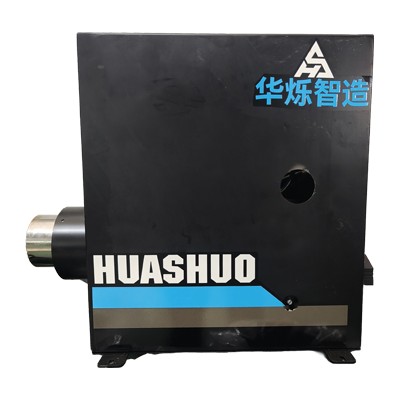
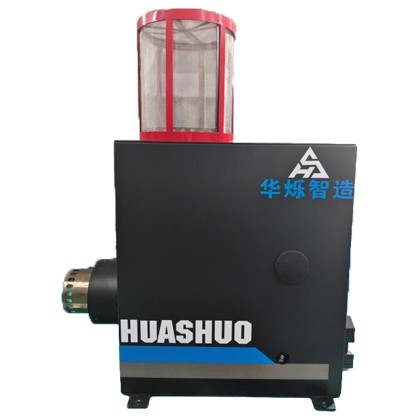
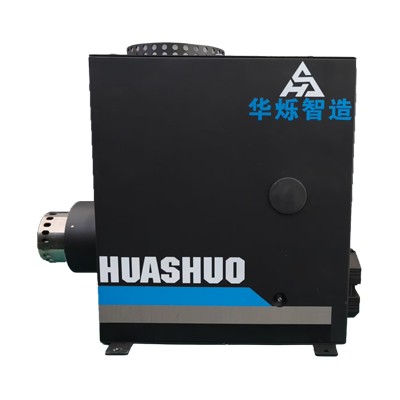
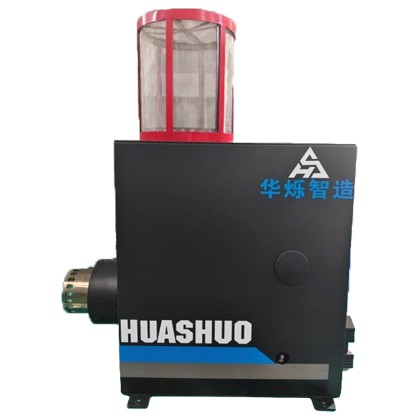
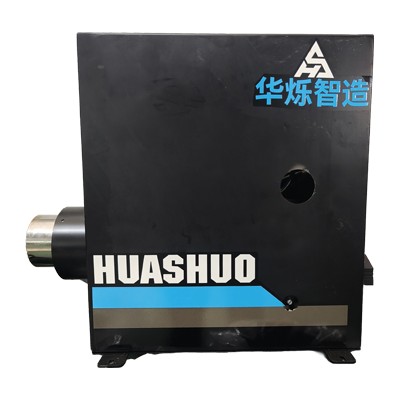
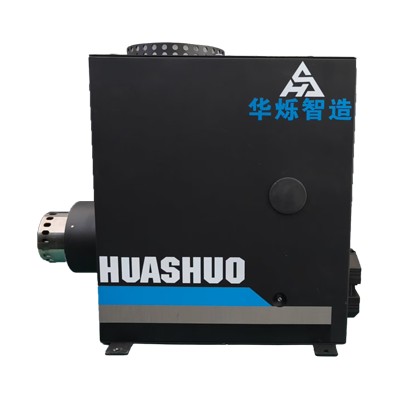
A power series infrared burner is a gas-fired heating component that produces infrared radiation through controlled combustion. Its purpose is not simply to create hot air. Instead, combustion energy is converted into radiant heat that can be directed toward a target surface or process zone.
The burner is normally integrated into a larger heating system. Depending on the application, that system may include gas regulation, combustion-air management, ignition equipment, flame monitoring, temperature controls, reflectors, insulation, exhaust arrangements, and safety interlocks.
The term “power series” generally refers to a family or configuration designed to provide substantial and controllable heat output. The exact capacity, fuel type, operating pressure, burner construction, control method, and infrared output should always be verified against the manufacturer's technical specifications rather than assumed from the product name alone.
Key point: The burner itself is only one part of a complete thermal system. Correct sizing, combustion conditions, installation, airflow, control strategy, and application design all influence actual heating performance.
How Infrared Burner Technology Works
Infrared heating relies on radiant energy. During operation, fuel and combustion air are mixed and burned under controlled conditions. The resulting heat raises the temperature of the burner's radiant surface or combustion elements. These hot surfaces emit infrared radiation toward nearby objects.
When the radiation reaches a suitable target, part of the energy is absorbed by the target surface. This can produce a faster response than waiting for a large quantity of air to reach the required temperature. The effect is especially useful when the process needs localized heating rather than uniform heating of an entire room or enclosure.
- Fuel supply: Fuel is delivered at the pressure required by the burner design.
- Air and fuel mixing: Proper combustion depends on an appropriate fuel-to-air relationship.
- Ignition: The combustion system establishes and maintains a stable flame or combustion zone.
- Radiant heat generation: Heated burner surfaces produce infrared radiation.
- Heat absorption: Target materials absorb radiant energy and increase in temperature.
- Control: The system adjusts burner operation according to process requirements and safety conditions.
Key Performance Benefits
Direct Heat Transfer
Radiant energy can be directed toward specific surfaces or production zones, reducing the need to heat unnecessary surrounding air.
Fast Thermal Response
Infrared systems can deliver heat directly to a target, making them suitable for processes requiring rapid heating or temperature changes.
Flexible Zoning
Multiple burners can be arranged into heating zones so different areas receive different levels of thermal energy.
Space Efficiency
Because radiant heating focuses energy on the target, it can support compact heating arrangements where appropriate.
Another important benefit is controllability. In a properly engineered system, burner output can be coordinated with temperature sensors, process controllers, valves, and safety devices. This allows the heating system to respond to production requirements rather than operating continuously at a fixed output.
Where Infrared Burners Are Used
Infrared burners are most valuable when direct surface heating provides a process advantage. Common applications include:
| Application | Potential Heating Requirement | Why Infrared Can Help |
|---|---|---|
| Industrial ovens | Controlled process heating | Direct radiation toward product surfaces |
| Drying systems | Rapid removal of moisture | Can accelerate surface heating |
| Curing processes | Consistent thermal exposure | Supports targeted heating zones |
| Food equipment | Surface browning or cooking | Efficient radiant energy delivery |
| Manufacturing equipment | Localized heating | Heat can be concentrated where required |
The correct application depends on the material being heated, desired temperature, heating distance, exposure time, production speed, ventilation conditions, and required temperature uniformity. A burner that performs well in one process may not be appropriate for another without suitable system engineering.
Infrared Heating Compared With Conventional Air Heating
The most important distinction is the way thermal energy reaches the target. Conventional hot-air systems mainly heat air and then transfer energy from the air to the product. Infrared systems can transfer radiant energy directly to the product surface.
| Factor | Infrared Heating | Conventional Hot-Air Heating |
|---|---|---|
| Primary transfer method | Radiation | Convection |
| Targeted heating | Strong potential | Usually less localized |
| Air heating requirement | Can be lower for direct-heating applications | Central to the process |
| Zoning | Highly adaptable with suitable controls | Depends on system design |
Neither technology is universally superior. The best solution depends on the process. Infrared heating is particularly attractive when the target needs direct, localized, or rapid heating, while convection may be preferable when the entire enclosed atmosphere must be maintained at a specific temperature.
Important Factors Before Purchasing
Purchasing decisions should begin with the heating process rather than with burner price alone. Several technical factors can influence total operating value.
- Required heat output: Determine the thermal load and required operating range.
- Fuel compatibility: Confirm the intended fuel and supply conditions.
- Operating pressure: Match the burner to the available gas pressure and regulation equipment.
- Temperature requirements: Define target temperature, ramp rate, and allowable variation.
- Heating distance: Infrared performance is affected by burner-to-target distance and orientation.
- Control requirements: Consider modulation, on/off control, zoning, sensors, and automation.
- Installation environment: Dust, moisture, corrosive substances, vibration, and ambient temperature may affect system design.
- Safety provisions: Ensure ignition, flame supervision, gas shutoff, ventilation, and interlocks meet applicable requirements.
- Serviceability: Accessible components can reduce inspection and maintenance time.
- Technical support: Supplier engineering assistance can be valuable for custom or high-volume installations.
Purchasing tip: Ask for a complete technical datasheet rather than evaluating a burner based only on nominal power. Real application performance depends on the entire heating arrangement.
Installation and System Integration
Correct installation is essential for safe and stable combustion. The burner should be installed according to its technical documentation and applicable local regulations. Gas piping, pressure regulation, combustion-air supply, exhaust arrangements, ignition components, flame detection, and control systems must be considered together.
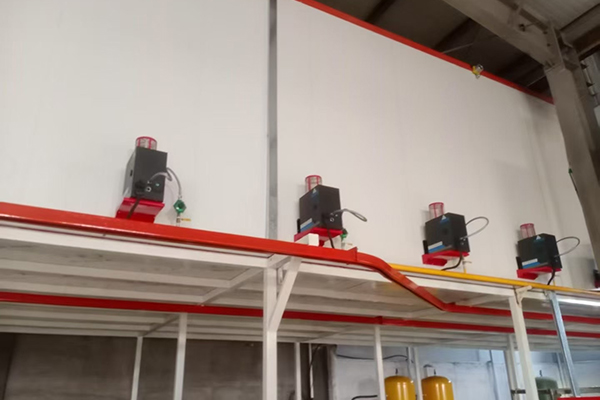
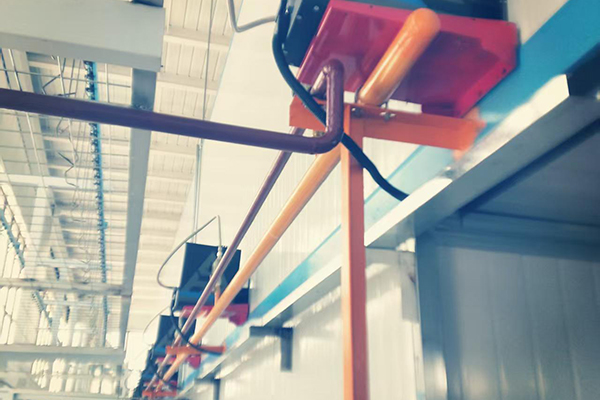
Burner orientation also matters. Infrared radiation needs a suitable path toward the target, so obstructions, incorrect spacing, reflective surfaces, insulation, and enclosure geometry can affect the final heating pattern.
A well-designed system should also provide convenient access for inspection. Components that require regular checking should not be hidden behind unnecessary structural obstacles. Proper ventilation and exhaust management are particularly important in enclosed installations.
Maintenance and Troubleshooting
Even a high-quality infrared burner requires appropriate maintenance. Dust, contamination, unstable gas pressure, restricted air supply, damaged components, incorrect adjustment, or control-system faults can reduce performance.
- Inspect burner surfaces and combustion components according to the recommended service schedule.
- Check gas connections and regulators for signs of leakage or abnormal pressure.
- Keep combustion-air paths clear and free from contamination.
- Inspect ignition and flame-monitoring components.
- Verify that safety interlocks and shutoff systems operate correctly.
- Monitor unusual noise, flame behavior, odor, vibration, or temperature changes.
- Record maintenance findings to identify recurring problems early.
If a burner repeatedly fails to ignite, produces unstable combustion, or shows abnormal operating behavior, the system should be shut down and inspected by qualified personnel. Gas-fired equipment should never be modified or adjusted without appropriate technical knowledge and safety procedures.
Buyer Checklist
Before placing an order, buyers can use the following checklist to organize technical requirements:
- ☐ Required thermal output has been calculated
- ☐ Fuel type and supply pressure have been confirmed
- ☐ Burner dimensions and installation space are suitable
- ☐ Target temperature and heating distance are defined
- ☐ Control and modulation requirements are documented
- ☐ Ventilation and exhaust arrangements are understood
- ☐ Safety and flame-monitoring requirements are addressed
- ☐ Replacement parts and service requirements are discussed
- ☐ Supplier technical support is available when needed
Frequently Asked Questions
What is the main purpose of a power series infrared burner?
Its primary purpose is to generate controlled radiant heat for direct heating of surfaces, products, equipment, or defined process zones. It is commonly integrated into larger industrial or commercial heating systems.
Can an infrared burner reduce heating time?
It can in suitable applications because radiant energy can reach the target directly instead of relying entirely on heated air. Actual heating time depends on burner output, target material, distance, process speed, and system configuration.
What affects infrared burner efficiency?
Fuel conditions, combustion quality, burner design, radiant surface temperature, target distance, orientation, insulation, control strategy, ventilation, and maintenance can all influence overall system efficiency.
Is infrared heating suitable for every industrial process?
No. Infrared heating is particularly effective for applications where direct surface heating is beneficial. Processes requiring precise heating of the entire air volume may be better served by convection or a combined heating method.
What should buyers ask an infrared burner manufacturer?
Buyers should request detailed information about heat output, fuel compatibility, operating pressure, dimensions, control options, installation requirements, safety components, recommended applications, spare parts, and technical support.
How can burner service life be supported?
Following the manufacturer's installation and maintenance instructions, maintaining clean combustion conditions, monitoring gas pressure, inspecting critical components, and responding quickly to abnormal operation can help support reliable service.
Final Considerations
A Power Series Infrared Burner can provide a practical heating solution when a process benefits from direct, controllable, and concentrated radiant energy. Its advantages can include fast thermal response, targeted heating, flexible zoning, and efficient use of heat in appropriately designed applications.
However, burner selection should never be based on output or purchase price alone. Fuel conditions, thermal load, target material, heating distance, installation geometry, combustion air, control strategy, safety equipment, maintenance access, and technical support all contribute to the final result.
For manufacturers and industrial users evaluating infrared heating equipment, working with an experienced supplier can make the specification process more straightforward. Tianjin Huashuo Machinery Manufacturing Co., Ltd. can provide professional support for customers evaluating burner solutions and related machinery requirements, helping buyers move from general heating requirements toward a more suitable technical configuration.
Contact us to discuss your application, required heating capacity, fuel conditions, installation environment, and project requirements. The right technical information at the beginning can help create a safer, more reliable, and more effective infrared heating system.
Related News
- Can field‑operating deviations cut Powder Coating Curing Burner long‑run production yield?
- How Does a High Efficiency Metal Fiber Infrared Burner Improve Industrial Heating?
- What costly operational pitfalls emerge from poorly qualified baking‑grade radiant burner assemblies?
- How Does a Flameless Catalytic Infrared Burner Improve Industrial Heating Efficiency?
- Where lies the core advantage of compact radiant burners for steel furniture powder coating lines?
- What Radiant Curing Burners Cut Powder Coating Defects & Monthly Natural Gas Expenses?
Leave me a message