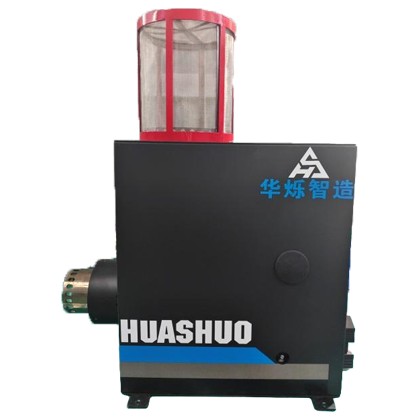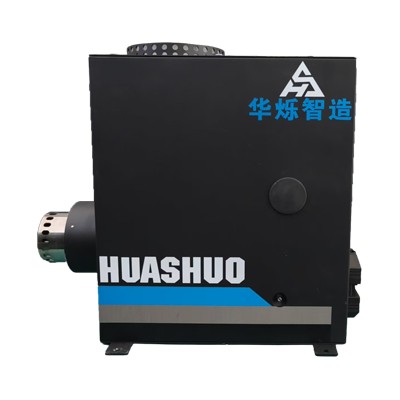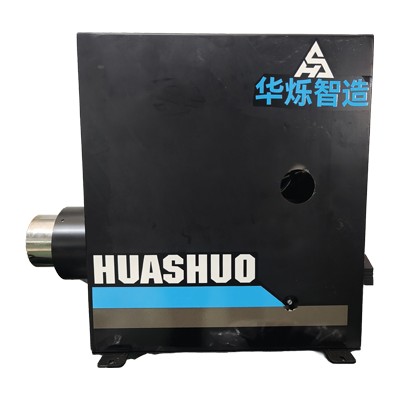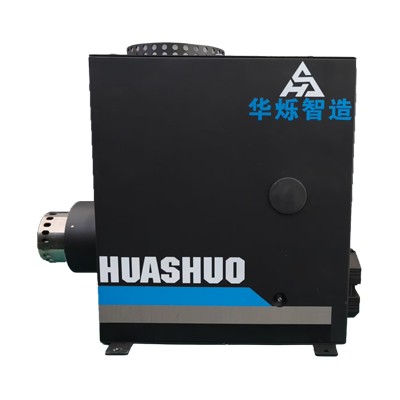

Can field‑operating deviations cut Powder Coating Curing Burner long‑run production yield?
Coating‑line integrators and industrial‑heating distributors often validate powder coating curing burner performance relying solely on static lab commissioning data. Bench‑testing confirms stable ignition, rated heat output and basic safety‑interlock response. A set of real‑world production‑line deviations never emerge under ideal lab conditions, gradually lowering finished‑coating qualification rates and pushing up routine maintenance expenses for end‑user factories.
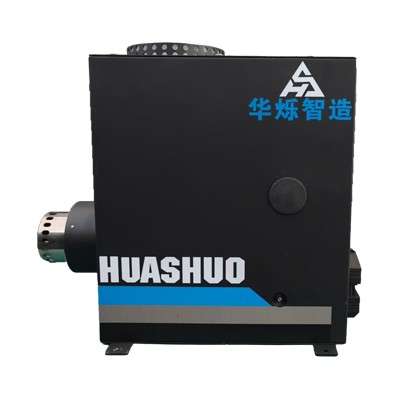
Four field‑origin deviations seldom noted on standard technical datasheets:
- Gas‑component batch fluctuation altering air‑fuel ratio under continuous line operation
- Ceramic radiant‑surface ageing drift bringing uneven heat distribution across burner segments
- Vibration‑triggered control‑circuit micro‑loosening induced by coating‑line conveyor movement
- Prototype‑test‑report mismatch against actual shipped unit component configuration
Air‑fuel ratio stability facing variable incoming gas quality
Lab acceptance tests adopt strictly calibrated reference‑grade natural‑gas or LPG. Actual industrial sites suffer subtle gas‑composition fluctuation from pipeline supply or cylinder‑batch changes.
Even minor shift in gas calorific value throws off pre‑set air‑fuel balance. This creates incomplete combustion, localized hot‑spots or insufficient radiant output, triggering inconsistent powder curing results, while static lab‑tested burners perform perfectly.
- Simulate variable‑calorific‑value fuel input during factory acceptance testing
- Verify inter‑lock response when gas quality drifts outside design operating window
TJHS Mechanical completes variable‑fuel‑condition simulation for each production batch, verifying burner adaptability beyond single reference‑gas lab‑commissioning results.
Radiant‑ceramic segment ageing and heat‑output homogenization
New prototype‑stage burners show uniform glowing across every ceramic segment. Thousands‑hours of cyclic thermal shock in production lines produce uneven degradation on radiant surfaces.
Some ceramic zones degrade faster than adjacent areas, generating non‑uniform infrared radiation across the curing zone. Coated workpieces passing over low‑radiance zones end‑up under‑cured without obvious burner‑failure alarms.
- Accelerated thermal‑cycle ageing test for complete burner assemblies
- Post‑ageing multi‑point thermal‑mapping recording radiant‑heat distribution data
Conveyor‑line vibration impact on burner control sub‑assemblies
Lab‑test burners sit on rigid static mounting fixtures. Real powder‑coating production lines deliver persistent low‑frequency vibration from chain‑conveyors, blowers and circulating‑fans.
Long‑term micro‑vibration loosens wiring terminals, gas‑valve connectors and flame‑sensor mounting fixtures. Intermittent flame‑loss or false‑alarm safety‑shutdown events occur, which cannot be reproduced on stationary lab‑test benches.
- Apply simulated production‑line vibration cycles to fully‑assembled finished burners
- Post‑vibration inspection for terminal‑torque retention and sensor‑position stability
Component‑configuration traceability between prototype and serial‑production units
Many integrators reference prototype‑unit test‑reports for project approval. During mass‑production, minor substitutions of solenoid valves, flame‑detectors or ceramic radiant panels may take place without updated validation documentation.
Even externally identical‑looking burners may deviate in safety‑reaction timing or thermal performance. Generic prototype‑test‑documents lose validity for third‑party industrial‑equipment audits.
- Lock bill‑of‑materials revision for each OEM project production‑run
- Issue lot‑specific English‑language validation‑dossiers mapping every key component part‑number
Focused procurement reference points for coating‑line‑integrator teams
- Require variable‑calorific‑fuel simulation results instead of only single‑gas‑spec lab‑commissioning records
- Insist on accelerated thermal‑ageing thermal‑mapping reports for radiant‑ceramic‑equipped curing burners
- Add production‑line‑simulated vibration‑cycle validation within purchase‑order technical clauses
- Enforce full‑BOM traceability; reject reuse of un‑updated prototype‑unit qualification‑reports
Related News
- How Does a High Efficiency Metal Fiber Infrared Burner Improve Industrial Heating?
- What costly operational pitfalls emerge from poorly qualified baking‑grade radiant burner assemblies?
- How Does a Power Series Infrared Burner Improve Commercial Heating Performance?
- How Does a Flameless Catalytic Infrared Burner Improve Industrial Heating Efficiency?
- Where lies the core advantage of compact radiant burners for steel furniture powder coating lines?
- What Radiant Curing Burners Cut Powder Coating Defects & Monthly Natural Gas Expenses?
Leave me a message