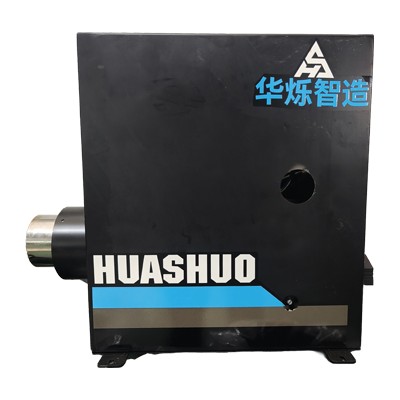
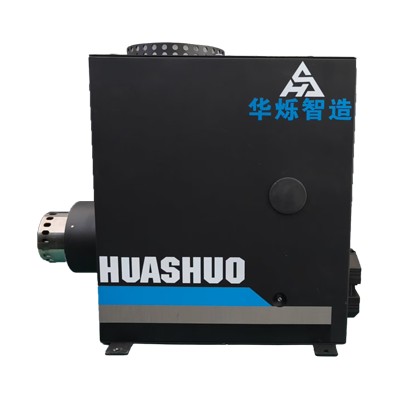
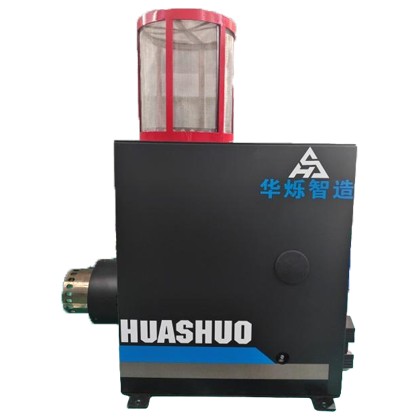
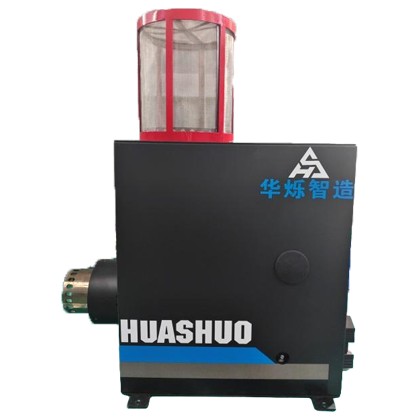
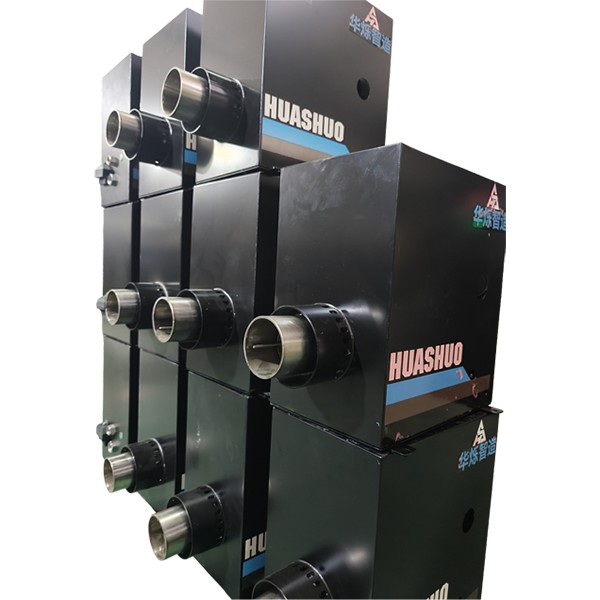
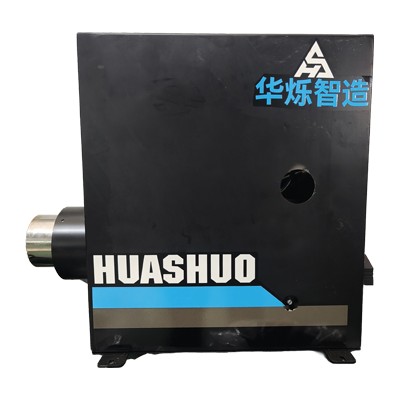
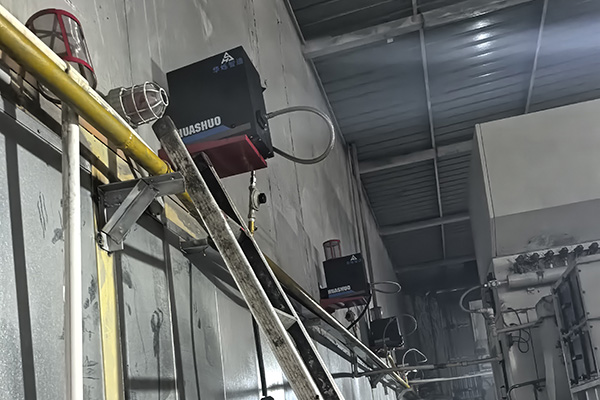
Catalytic Thermal Radiation Burners are advanced heating devices based on catalytic oxidation reactions. Their core lies in using precious metal catalysts (platinum, palladium, etc.) to promote complete gas–air reaction at relatively low temperatures (approximately 300–600°C).
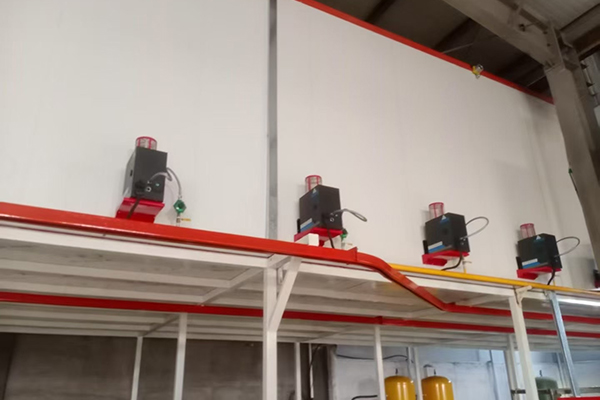
Unlike conventional infrared burners, catalytic combustion is "flameless combustion." The gas undergoes heterogeneous reactions on the catalyst surface, and the released heat is directly emitted as infrared radiation, with virtually no visible flame. This delivers two unique values: First, superior safety—the low-temperature surface and zero flashback risk make it particularly reliable in environments with flammable or explosive gases (such as painting workshops and chemical plants). Second, excellent emission cleanliness—due to the low reaction temperature, thermal NOx formation is geometrically suppressed, while hydrocarbons are deeply oxidized, resulting in extremely low pollutant levels in flue gas.
However, catalytic combustion demands high gas quality (especially low sulfur content) to prevent catalyst poisoning. Its radiation intensity is slightly lower than that of high-temperature infrared burners, but its uniform surface temperature and stable thermal field make it ideal for temperature-sensitive applications like polymer processing, food baking, and laboratory settings requiring pure heat sources. Choosing catalytic combustion essentially means trading anti-poisoning management for dual rewards in environmental compliance and operational safety.
We use cookies to offer you a better browsing experience, analyze site traffic and personalize content. By using this site, you agree to our use of cookies.Privacy Policy