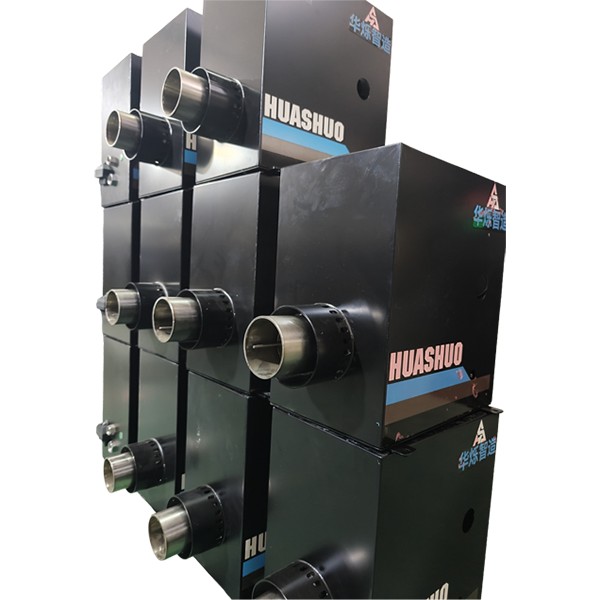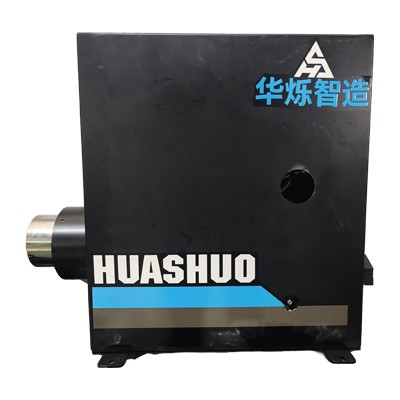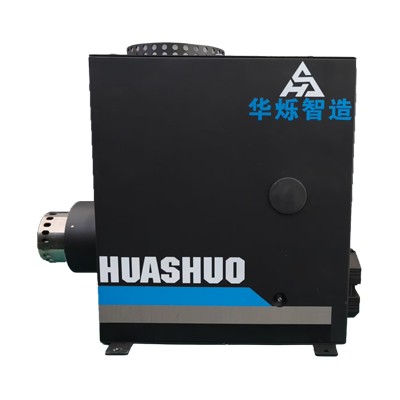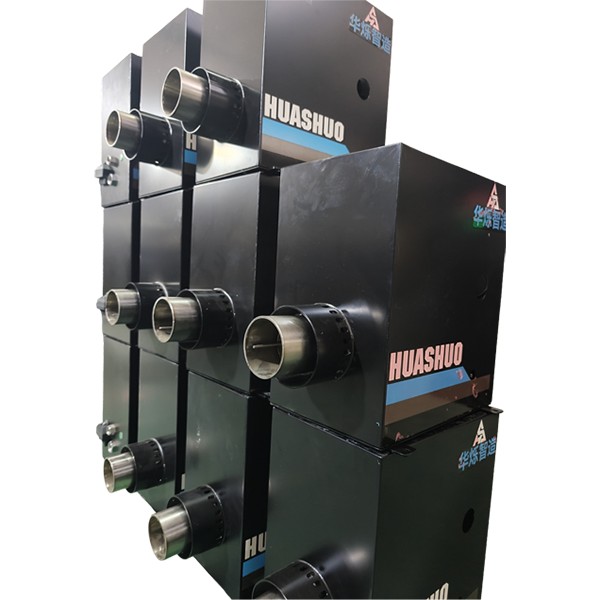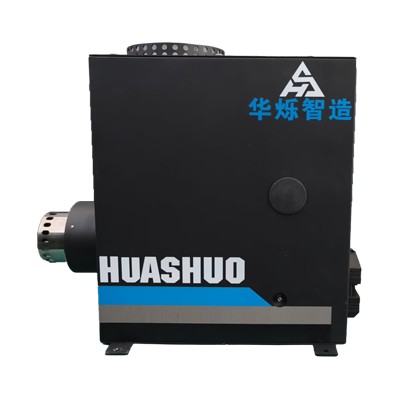

Factory Direct Industrial Application Radiant Burner
Understanding the Core Technology
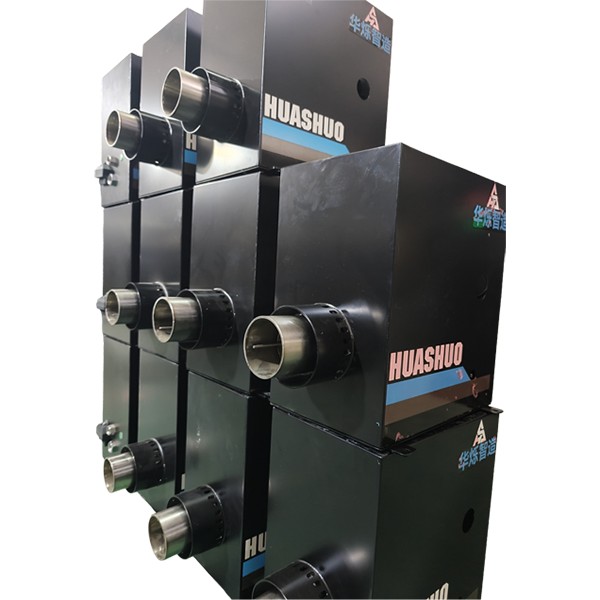
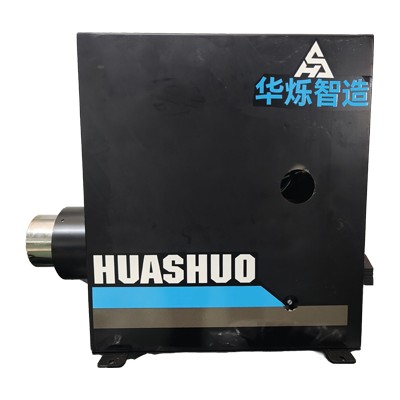
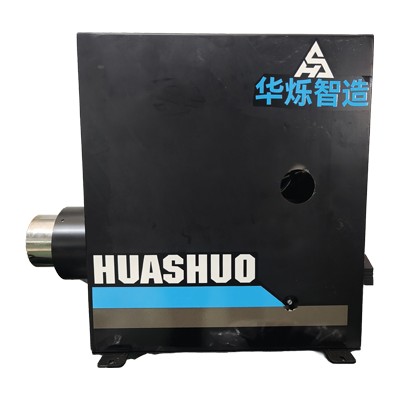
The Industrial Application Radiant Burner stands as a pivotal innovation in modern thermal processing. Unlike conventional open-flame burners, this device converts a significant portion of combustion energy into infrared radiation. This radiant heat is then directed toward the target surface, enabling faster and more uniform heating with minimal convective losses. In heavy industrial settings—where cycle times, energy costs, and product quality are under constant scrutiny—this shift to radiant heat transfer has proven to be a game changer. The technology is rooted in a porous ceramic or metal matrix where the fuel-air mixture combusts on or near the surface, bringing the emitting surface to high temperatures without producing a large, visible flame. Our Industrial Application Radiant Burner series is divided into the Food Processing Radiant Burner series and the Coating Drying Radiant Burner series and so on.
The operating principle relies on surface combustion. A premixed gas stream flows through a porous medium, ignites at the surface, and transfers heat primarily through radiation. This mechanism yields extremely high thermal efficiencies, often exceeding 70%, and can achieve surface temperatures up to 1200°C. Because the flame is contained within the matrix, the burner produces a uniform, glowing surface that emits energy in the infrared spectrum. This energy can be precisely matched to the absorption characteristics of materials such as paint, powder coatings, textiles, food products, and metal sheets. As a result, process engineers gain unprecedented control over heating profiles.
Why Radiant Burners Outperform Conventional Systems
The shift from convective or open-flame heating to radiant burners brings measurable improvements in production lines. Here are the primary drivers for adoption in demanding environments:
- Superior Energy Efficiency: Radiant heat transfer bypasses the need to heat surrounding air. Up to 80% of the fuel energy can be converted into usable radiant output, dramatically lowering specific energy consumption compared to standard burners that often operate at 40–50% efficiency.
- Rapid Response and Cycle Time Reduction: The burner surface reaches full operating temperature in seconds, not minutes. This enables fast start-up and instant modulation, shrinking overall cycle times in processes such as drying, curing, and preheating.
- Uniform Heat Distribution: The large emitting face eliminates hotspots. Whether through a single panel or an array of modular burners, the temperature variation across the target can be maintained within ±2°C, reducing scrap rates in sensitive applications.
- Clean Combustion and Low Emissions: Surface combustion within the porous matrix promotes complete fuel oxidation at lower temperatures. This results in ultra-low NOx and CO emissions, helping facilities comply with stringent environmental regulations.
- Reduced Maintenance and Long Service Life: Without large open flames, components suffer less thermal stress. The robust ceramic or alloy construction resists corrosion and thermal shock, leading to longer operating intervals and lower lifecycle costs.
- Adaptable to Multiple Fuels: Huashuo radiant burners are engineered to run on natural gas, propane, LPG, and even low-calorific-value gases, offering flexibility in various industrial infrastructures.
Industrial Sectors That Depend on Radiant Heating
The versatility of the industrial application radiant burner makes it indispensable across a wide range of manufacturing and processing fields:
- Automotive and Transportation: Curing of paints and powder coatings on body panels, plastic components, and metal parts. Radiant burners provide rapid gel and complete cure without overheating sensitive substrates.
- Textile and Nonwoven Production: Preheating, drying, and heat setting of fabrics, carpets, and technical textiles. The infrared energy penetrates the material structure, removing moisture evenly while preserving hand feel and tensile strength.
- Food Processing: Grilling, toasting, browning, and drying of baked goods, meat products, and cereals. Direct radiant heat preserves flavor, maintains moisture balance, and enables hygienic, contact-free processing.
- Paper and Converting: Drying of coatings, printing inks, and adhesives on paper webs and packaging films. Instant on/off capability matches the high-speed demands of converting lines.
- Glass and Ceramics: Preheating of molds, annealing, and bending of sheet glass. The gentle, controlled radiation prevents thermal shock and ensures dimensional stability.
- Metal Finishing and Pre-Treatment: Drying of water-based or solvent-based coatings on steel, aluminum, and other alloys. Radiant heating accelerates the evaporation of solvents without creating blistering or surface defects.
- View as
Precision Heat Treatment Burner
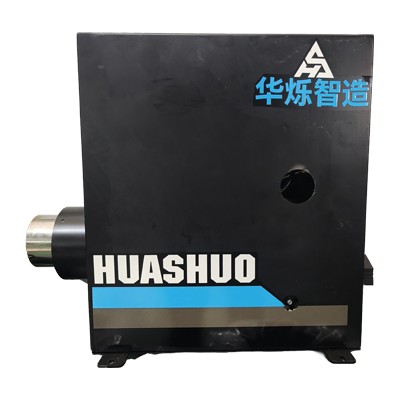
The Huashuo's China precision heat treatment burner has high temperature control accuracy and a uniform and stable infrared heat field. It is suitable for high-precision metal parts annealing, quenching and other heat treatment processes with strict requirements.
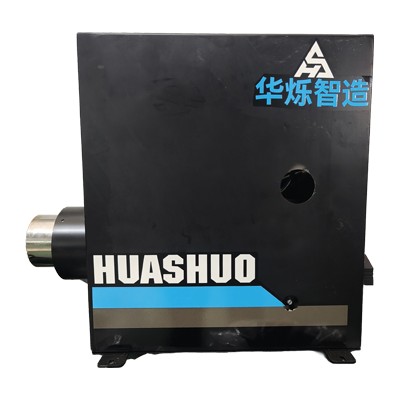
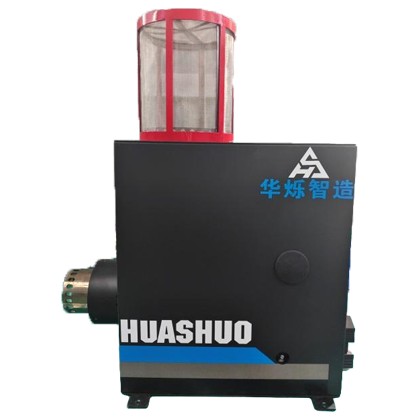
High Temperature Heat Treatment Burner
This High Temperature Heat Treatment Burner provided by Huashuo Factory is specially designed for the overall heat treatment process of metal workpieces such as steel and aluminum parts. It adopts a long-lasting aluminizing radiation tube structure and uses clean gas as the heat source. It achieves uniform heating throughout by relying on deep infrared radiation conduction, and is suitable for various high-temperature heat treatment production line conditions including annealing, quenching, and tempering.
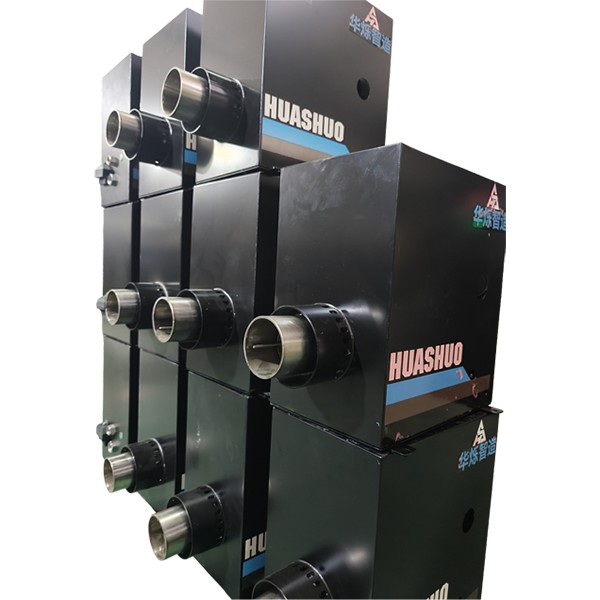
Tempering Radiant Burner
The adjustable Tempering Radiant Burner by Huashuo supplier precisely controls the temperature. It relies on the aluminized radiant tubes for uniform heat dissipation, and is suitable for various industrial heating processes such as drying and annealing.
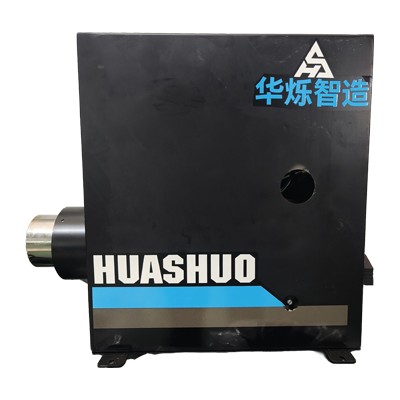
Metal Annealing Radiant Burner
This Metal Annealing Radiant Burner is an infrared gas heating equipment developed by Huashuo's supplier for the purpose of stress relief and softening annealing processes. The core heat source component uses long-lasting aluminum alloy radiation tubes. Through the complete combustion of gas, it generates a stable far-infrared radiation heat source, and conducts the entire furnace's slow heating and constant temperature heat treatment through radiation conduction.
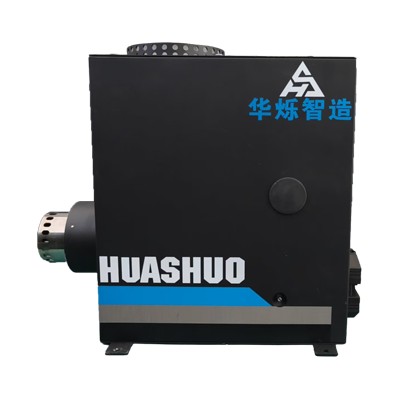
Furniture Coating Radiant Burner
The Huashuo high quality Furniture Coating Radiant Burner uses infrared heating through radiation tubes to solidify the powder coating of steel furniture. The furnace is clean with little dust inside, has uniform temperature control and energy saving features, and is suitable for batch production on assembly lines, ensuring a smooth and aesthetically pleasing finish.
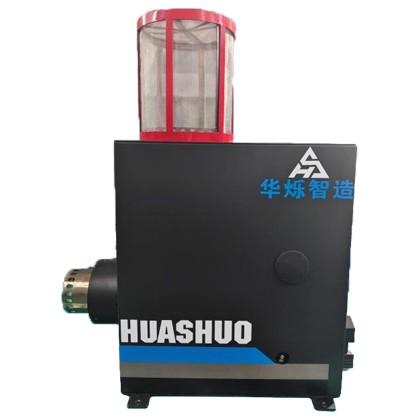
Automotive Coating Radiant Burner
Huashuo directly sells this Automotive Coating Radiant Burner at its factory. It is specially designed for the automation spraying production lines of complete vehicles and components. It focuses on the curing process of topcoat and powder coating for vehicle body, wheels, chassis parts, etc. The maximum working temperature can reach 280℃. The single machine can precisely control the temperature environment of a 20 cubic meter cavity. The rated heat value is 30,000 kilocalories.
As a reliable Industrial Application Radiant Burner manufacturer and supplier in China, we have custom options and volume discount pricing. Please just send us a quotation!