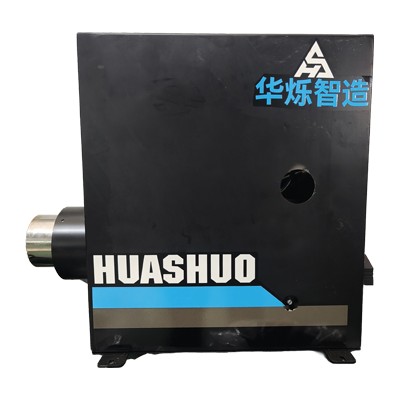
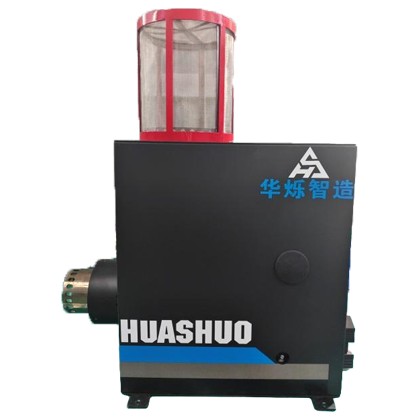
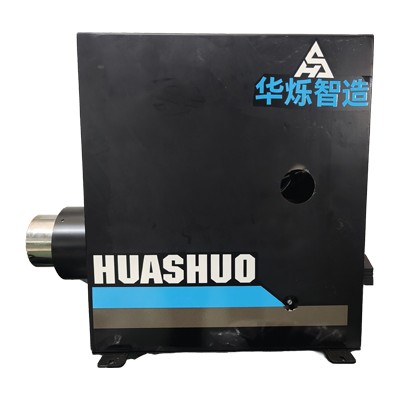
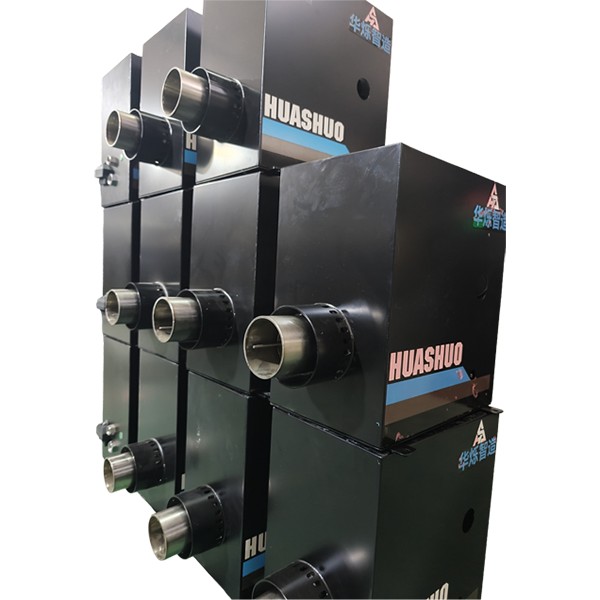
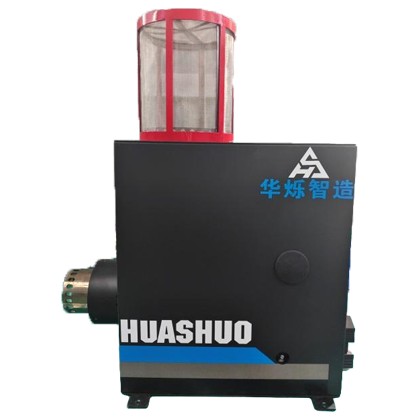
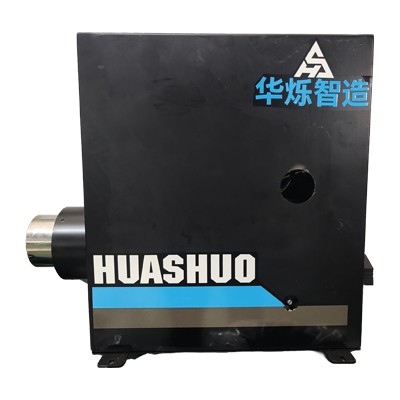
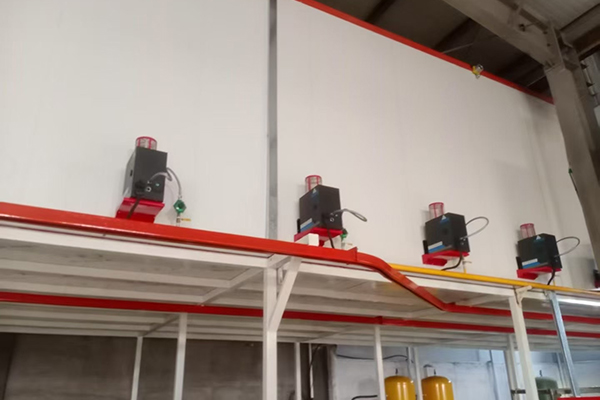
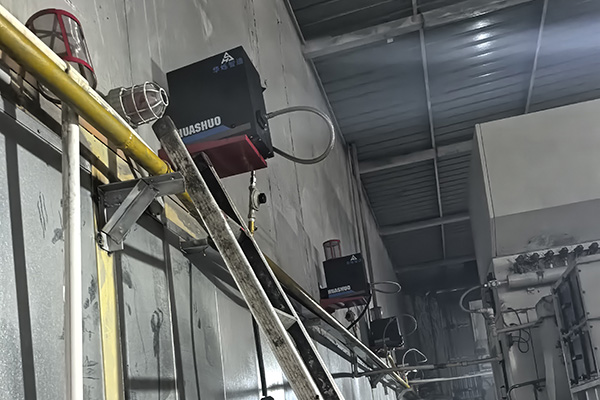
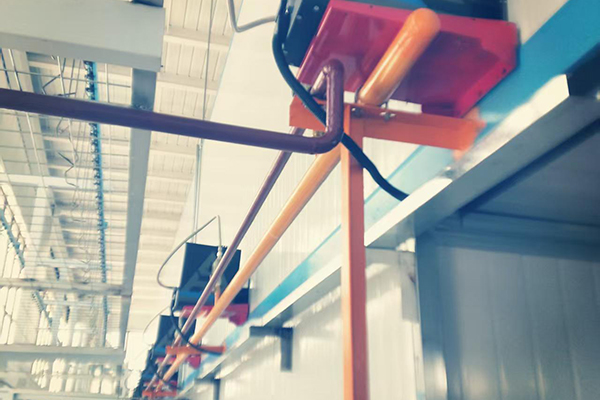
The core technology of an Infrared Thermal Radiation Burner lies in efficiently converting fuel chemical energy into infrared radiant energy. Its operating principle is that gas and air undergo flameless or short-flame combustion on the surface of a specially designed burner head (such as metal fiber mesh or ceramic plates), heating the combustion medium to high temperatures (typically 800–1000°C) and emitting infrared rays in specific wavelengths (2–6μm).
This energy transfer method offers significant advantages. First, thermal efficiency is extremely high. Infrared rays do not rely on air convection as a heat transfer medium; they can be directly absorbed by molecular structures of objects, greatly reducing heat loss carried away by flue gas. Overall thermal efficiency can improve by 20%–30% compared to conventional convection heating. Second, heating quality is superior. Infrared radiation has strong penetrating power, evenly heating workpieces from the inside out, effectively preventing surface overheating or oxidation—making it highly suitable for precision processes like coating drying and powder curing.
In industrial applications, its surface combustion characteristics enable more complete combustion, with extremely low CO and NOx emissions that meet stringent environmental regulations. Additionally, being flameless, it can operate safely in flammable or slightly positive-pressure environments, making it an ideal energy-saving alternative to traditional electric heating and open-flame heating.
We use cookies to offer you a better browsing experience, analyze site traffic and personalize content. By using this site, you agree to our use of cookies.Privacy Policy