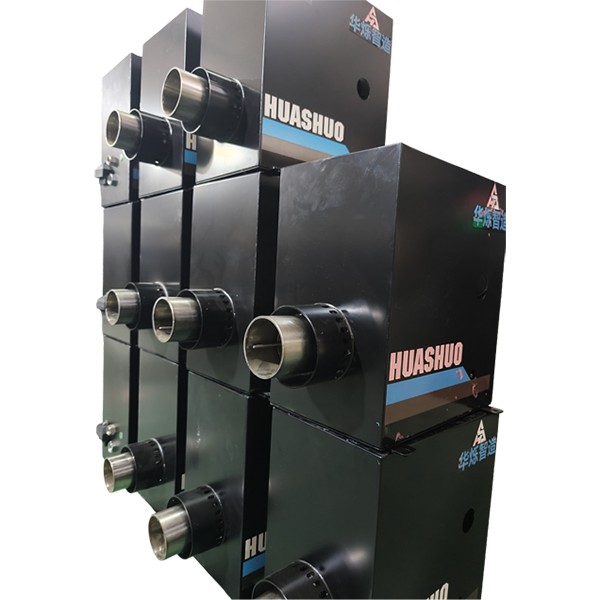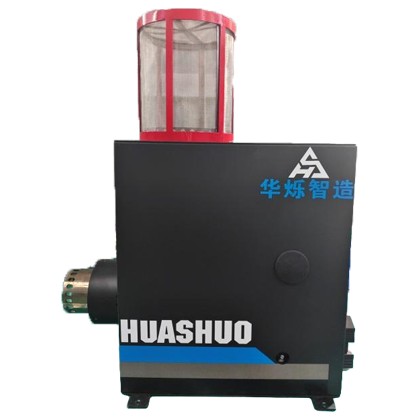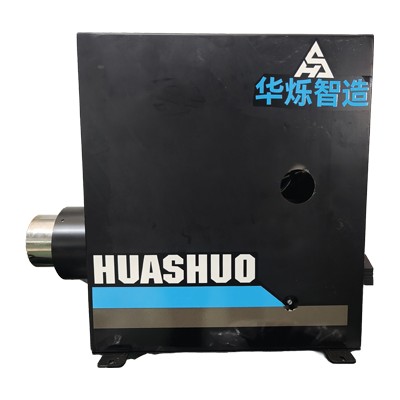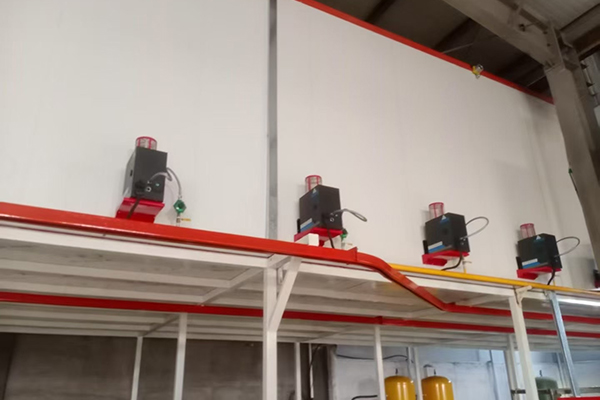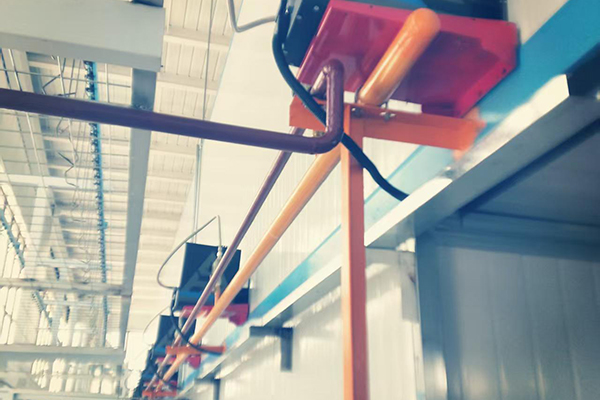

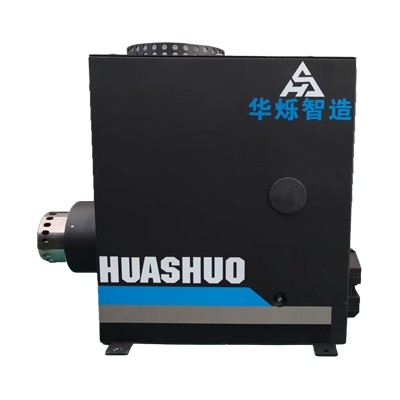
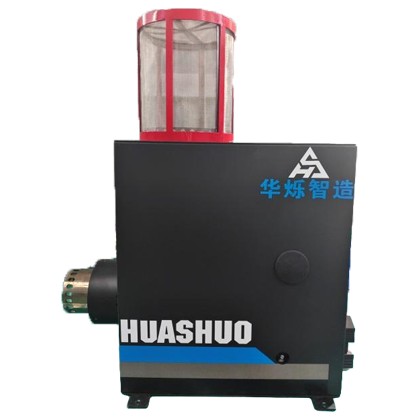
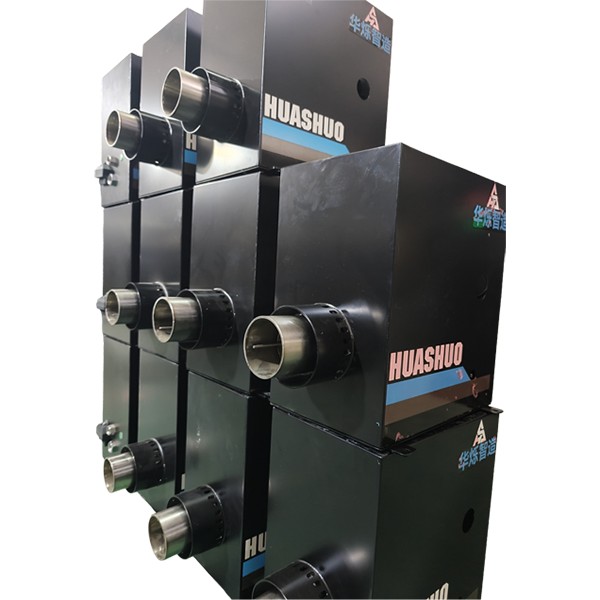
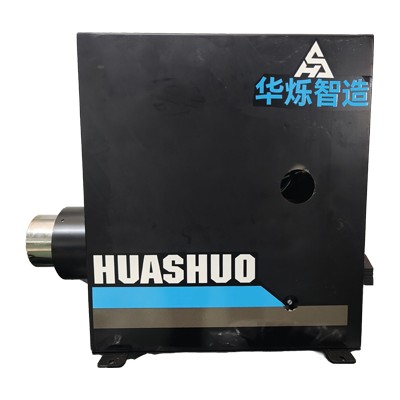
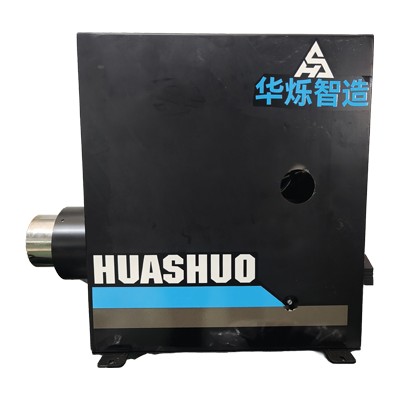
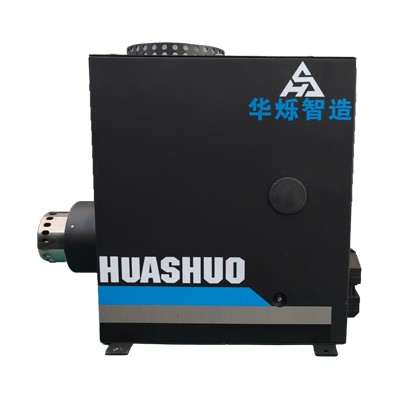
LPG Metal Fiber Infrared Burner
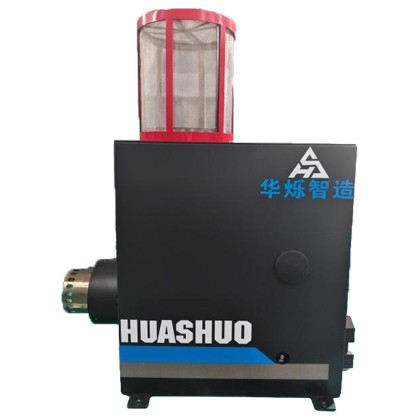
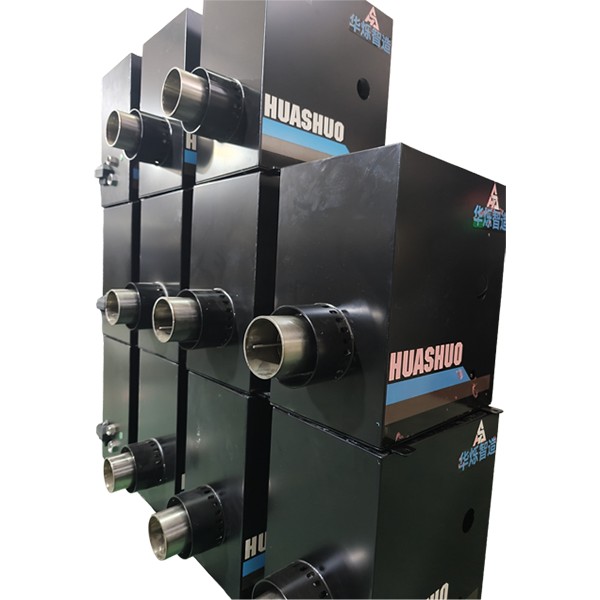
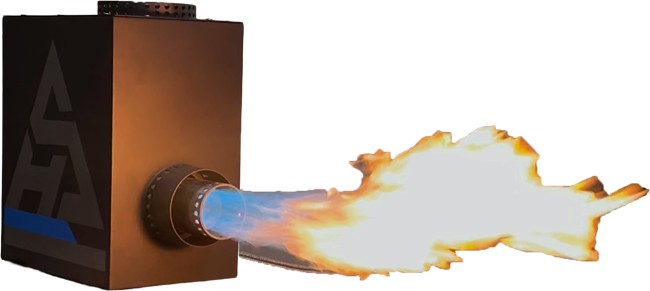
The LPG metal fiber infrared burner has a compact body, ensures thorough combustion with low nitrogen emissions, and provides uniform radiation heating. It is suitable for small-scale drying and paint baking production lines.
The liquefied petroleum gas metal fiber infrared burner has a metal body and is powered by liquefied gas. It can provide a maximum heating temperature of 280℃. It is compact in size, with uniform heating, fully combusted and low-nitrogen emissions, making it suitable for small hardware, wood product drying, painting and baking production lines.
Advantages
1. Compatible with liquefied petroleum gas supply, no need to lay natural gas pipelines. Small workshops and mobile drying lines can be flexibly installed and used.
2. The metal fibers fully combust, with uniform infrared heat dissipation, low nitrogen and clean, stable at 280℃ temperature, and the baked products have uniform color.
3. The entire machine has a compact and lightweight metal casing, quick temperature response, simple maintenance, and is applicable for various drying processing scenarios such as wood products and hardware.
Notes for Attention
1. Equipped with qualified liquefied gas pressure reducing valves. Regularly check for any gas leakage in the gas cylinders and pipelines. Store the gas cylinders away from high temperatures and open flames.
2. Maintain good ventilation in the usage environment. Immediately shut off the gas source if there is any odor or re-ignition. After troubleshooting, restart the equipment again.
3. Regularly clean the debris and dust on the combustion surface of the metal fibers. Blockage may easily lead to re-ignition. Before maintenance, close the gas cylinder valve and cut off the power to cool down.
Product manufacturing process
Selection and cutting of precision metal substrates
The entire machine's outer shell and load-bearing structure are made of industrial-grade high-temperature-resistant metal materials. After entering the factory, they undergo thickness screening, flatness inspection, and dust-free cutting to ensure that each substrate has uniform size accuracy and balanced structural stress, laying the foundation for the later stable operation at high temperatures.
Woven and pressed process of metal fiber core layer
High-density special metal fibers are precisely woven and formed through multi-layer high-pressure composite pressing technology to create a uniform breathable heating layer, ensuring uniform gas intake and stable pressure output of liquefied gas, and achieving no dead zones in combustion and high consistency of heating surfaces.
Integrated molding and sealing welding process
The entire machine adopts seamless tight welding integrated molding technology, with uniform and dense weld points, eliminating micro deformations, gas leakage, and loosening problems that may occur during long-term alternating high and low temperatures, and being suitable for stable low-pressure combustion of liquefied gas.
High-temperature resistant and anti-corrosion surface treatment process
The metal whole machine undergoes high-temperature curing anti-corrosion treatment, strengthening the oxidation resistance and dust corrosion resistance of the body, avoiding aging of the body due to humid, oily, and dusty environments, and extending the service life of the entire machine.
Assembly and debugging of precise gas intake ratio components
Special liquefied gas ratio valve body, pressure stabilizing component, and分流 structure are assembled in a hierarchical manner, specifically matching parameters for LPG gas characteristics to ensure thorough liquefied petroleum gas atomization and uniform mixing, providing a structural basis for complete low-nitrogen combustion.
Multiple-level performance measurement and calibration at the factory
After each LPG Metal Fiber Infrared Burner is assembled, it undergoes airtightness test, 280℃ extreme temperature test, infrared thermal field uniformity test, and low-nitrogen emission detection. Once all temperature deviations, combustion status, and emission indicators meet the standards, it can be shipped, ensuring stable operation at the site immediately.
Installation steps
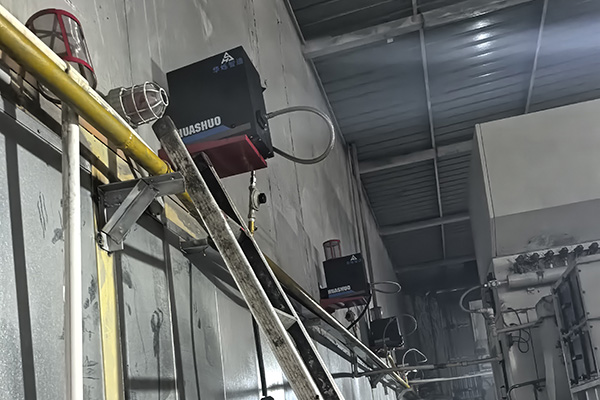
Install radiant heating tubes inside the heating tunnel, fit thermal radiation burners, connect electrical wiring and natural gas pipelines, link the control cabinet, and carry out complete equipment commissioning and testing.
Core material advantages
Special metal fiber heating material, with higher combustion efficiency
All-metal integrated body, with strong resistance to temperature and deformation
Material compatible with LPG low-pressure combustion, with stronger adaptability
Metal infrared radiation material, with excellent uniformity of heat generation
Corrosion-resistant and oxidation-resistant metal material, with low operation and maintenance costs
Lightweight and high-strength metal structure, with flexible installation
FAQ
Q:Could you please provide detailed pictures of the equipment and some examples of installation?
A:Detailed equipment pictures and installation examples can be provided.
Hot Tags: LPG Metal Fiber Infrared Burner
Related Category
Send Inquiry
Contact Info
-
Address
No. 3, Chuangfu Road, Shuangjie Town, Beichen District, Tianjin
-
Tel
-
E-mail
Get Radiation Burner insights or pricing: Leave your email below, and we’ll reach out promptly (within 24 hrs).